








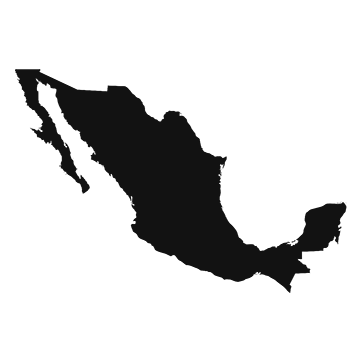
Xelhá
Archeological site
Xelhá
Crucial maritime port for the Maya Caribbean, possibly serving the great kingdom of Coba 1400 years ago. Impressive structures remain, such as the Building of the Birds, with its outstanding mural paintings. This and other vestiges reveal the influence of Teotihuacan.
Xelha was one of the main trading ports on the east coast of the Yucatan peninsula in the Late Postclassic period from 1250 to 1550. The history of Xelha falls into two major periods. The first was in the Early Classic from 250 to 600 when the port was the biggest and most important in the area and had beautiful palaces decorated with mural paintings to remind us of the influence that Teotihuacan then had on the Mayan region. It is thought that Xelha operated as the port of the great Kingdom of Coba, situated inland, whose capital was one of the most powerful cities of the peninsula.
Xelha lost its status from the year 600, when temples and palaces ceased to be built, but it became important again in the Late Postclassic when numerous coastal settlements relating to a new socio-economic system were established. Attractive buildings were once again erected, including a wall to defend the city or to demarcate the elite area.
Xelha had nearly been abandoned when the Spanish arrived. Many of its inhabitants died from the new diseases brought by the Europeans such as smallpox, yellow fever and diphtheria, while others fled from Spanish control. By 1550 the site was in ruins. This city might correspond to the Xala identified in the Spanish chronicles, where Francisco de Montejo later founded the settlement of Salamanca de Xelha.
The name Xelha means "water entrance," and comes from the Mayan “xel,” meaning piece or entrance and “ha” meaning water, a clear reference to the topography. The Xelha inlet is one of the most important on the Quintana Roo coast. It is a natural shelter ideal for a port with abundant flora and fauna; undoubtedly it was well known during the last years of the region’s pre-Hispanic history.
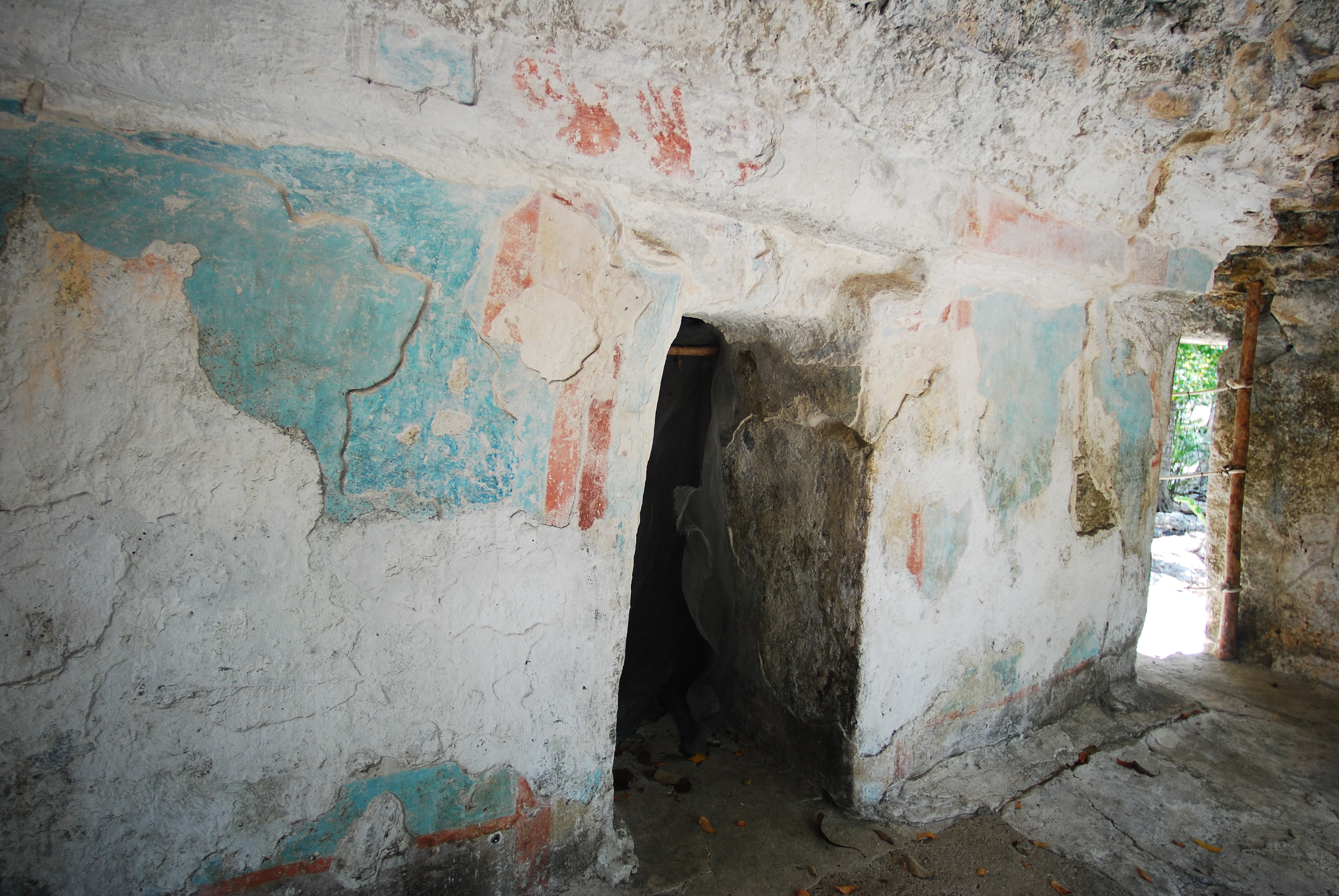
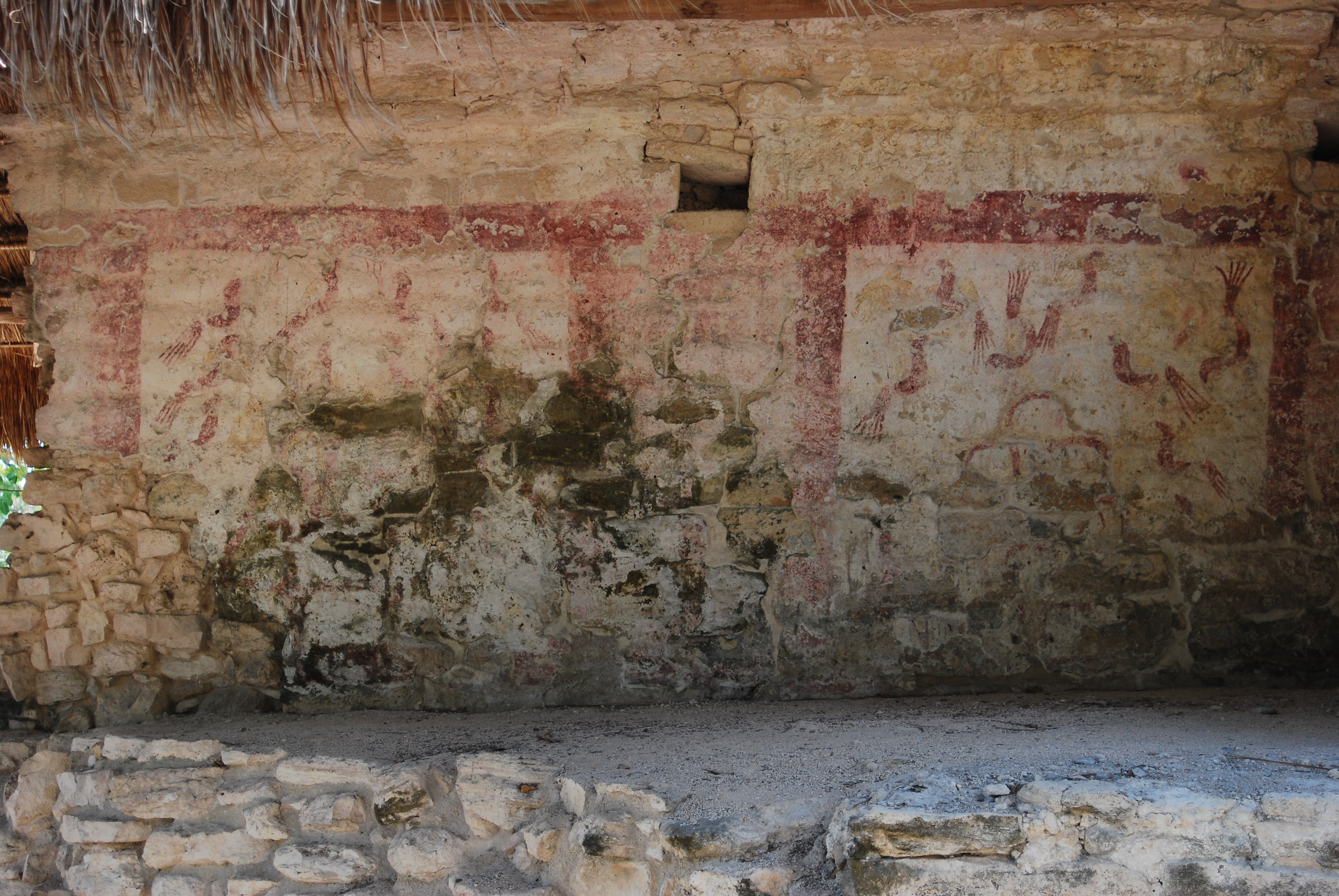
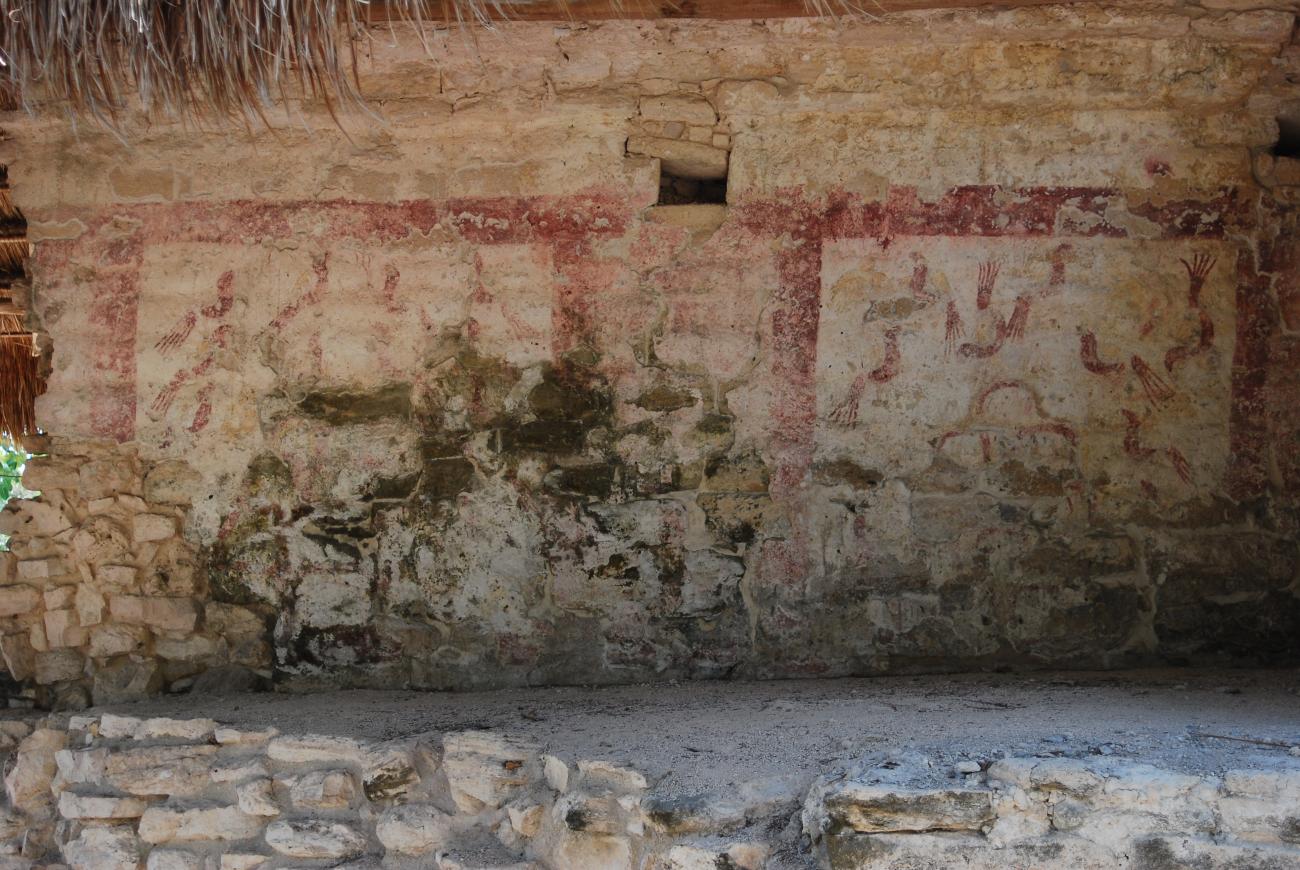
Throughout the site tour visitors can see magnificent examples of mural painting, in particular in the Edificio de los Pájaros ("Building of the Birds") which was painted between 200 and 600 AD. The Jaguar Group features a feline which gave its name to the complex; this was painted in the Postclassic period.
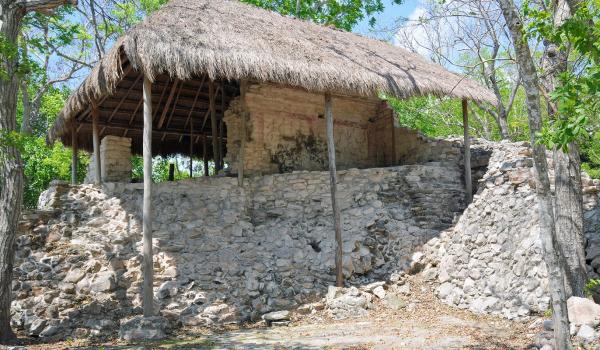
Los Pájaros
It includes the structure El Palacio, where mural paintings are preserved, among which stand out fresco representations of various birds of the region, as well as the image of a supernatural being of evident Teotihuacan style.
Los Pájaros
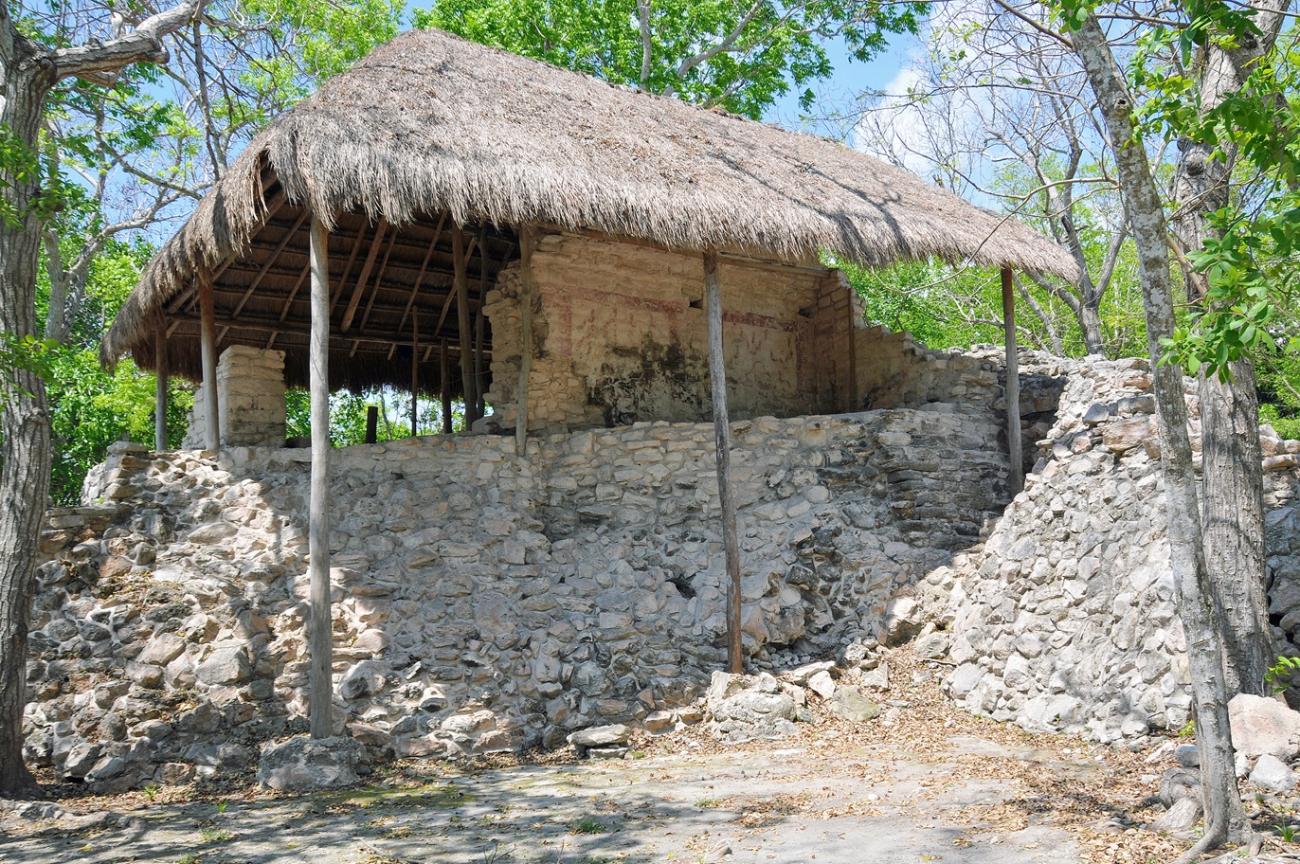
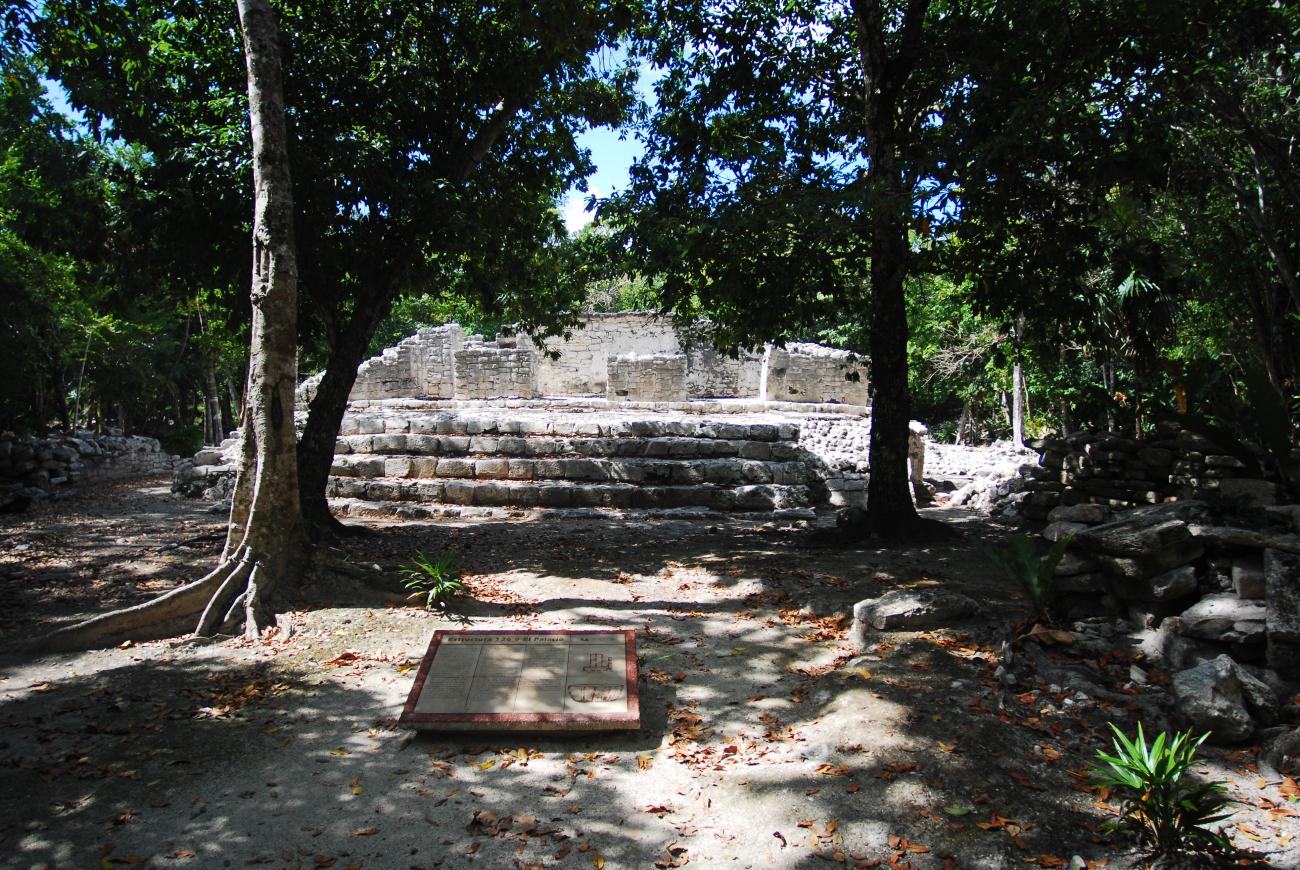
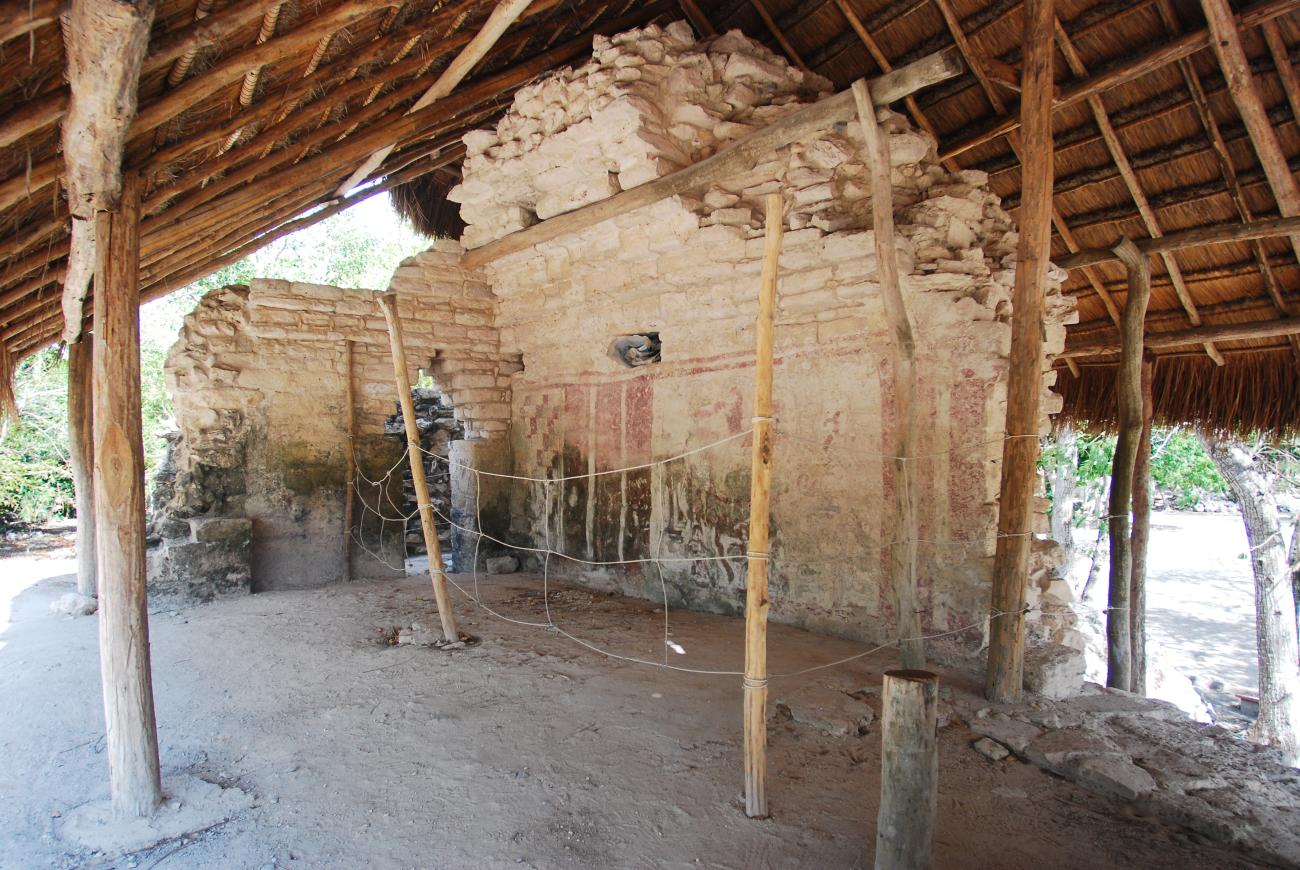
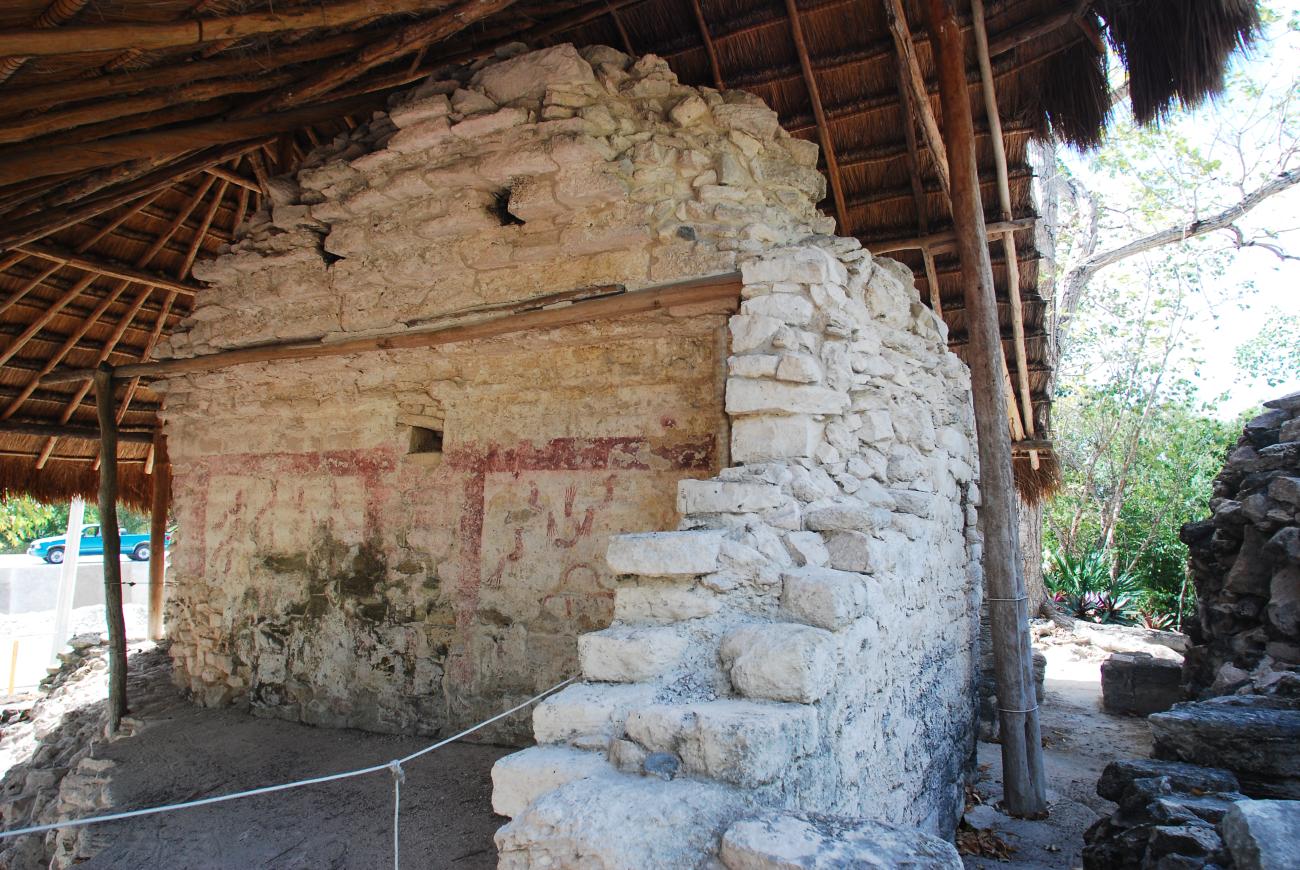
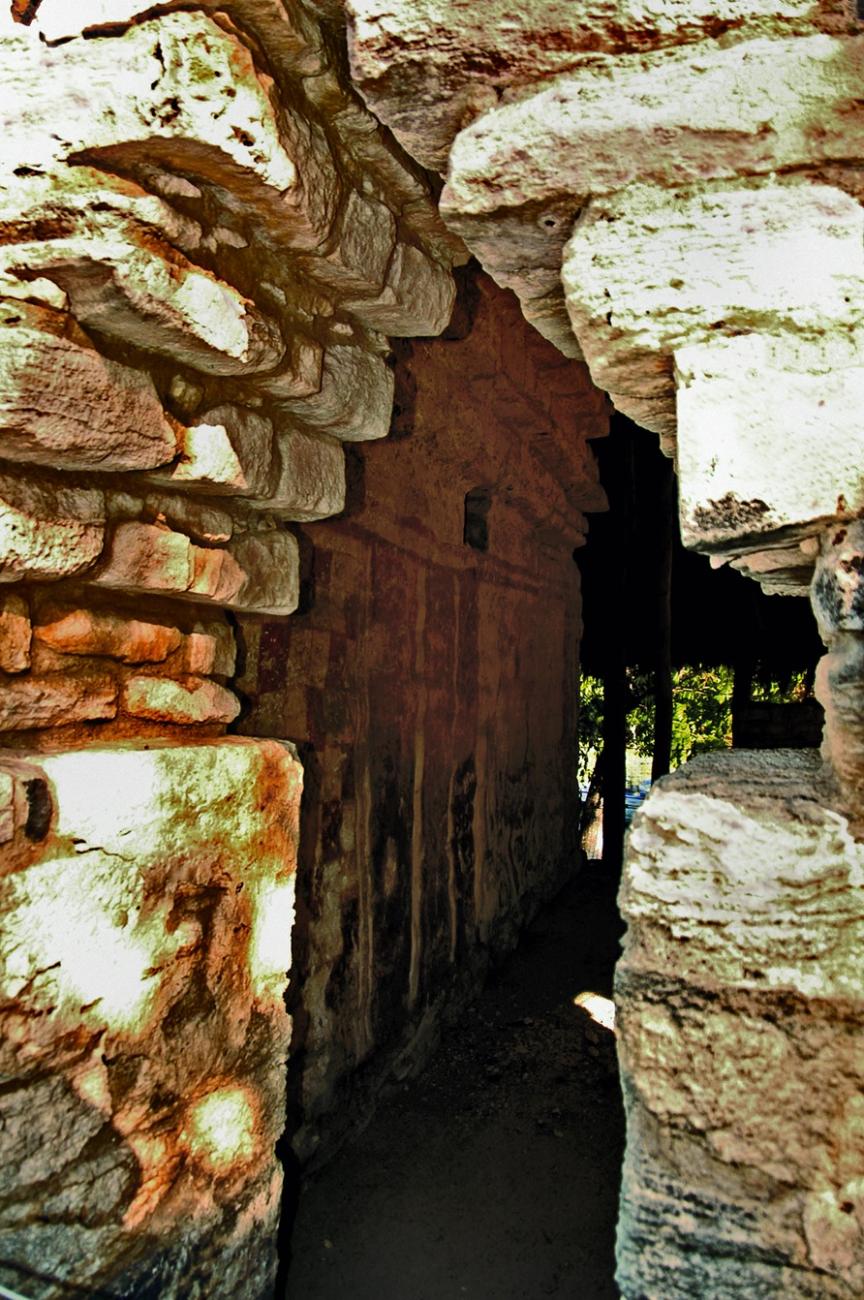
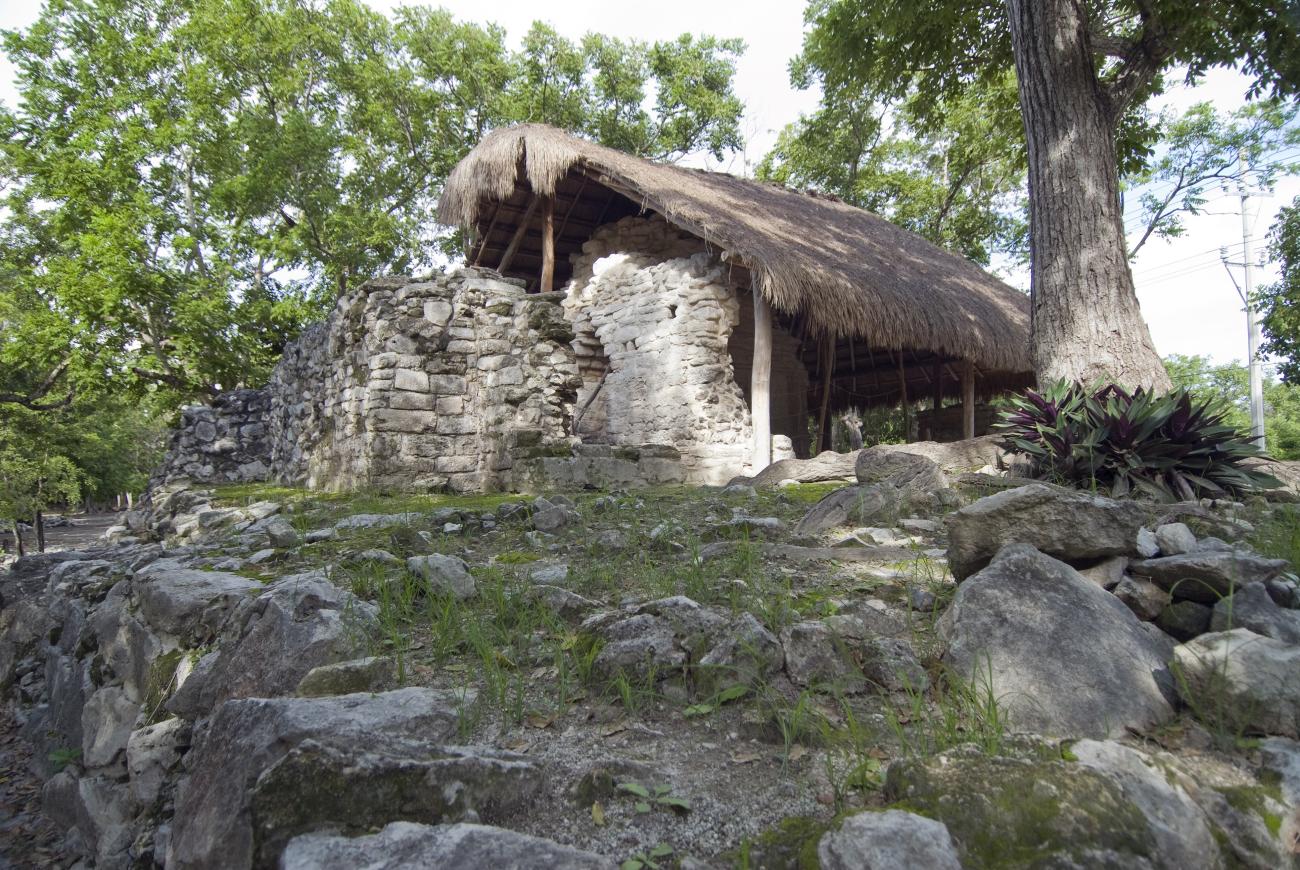
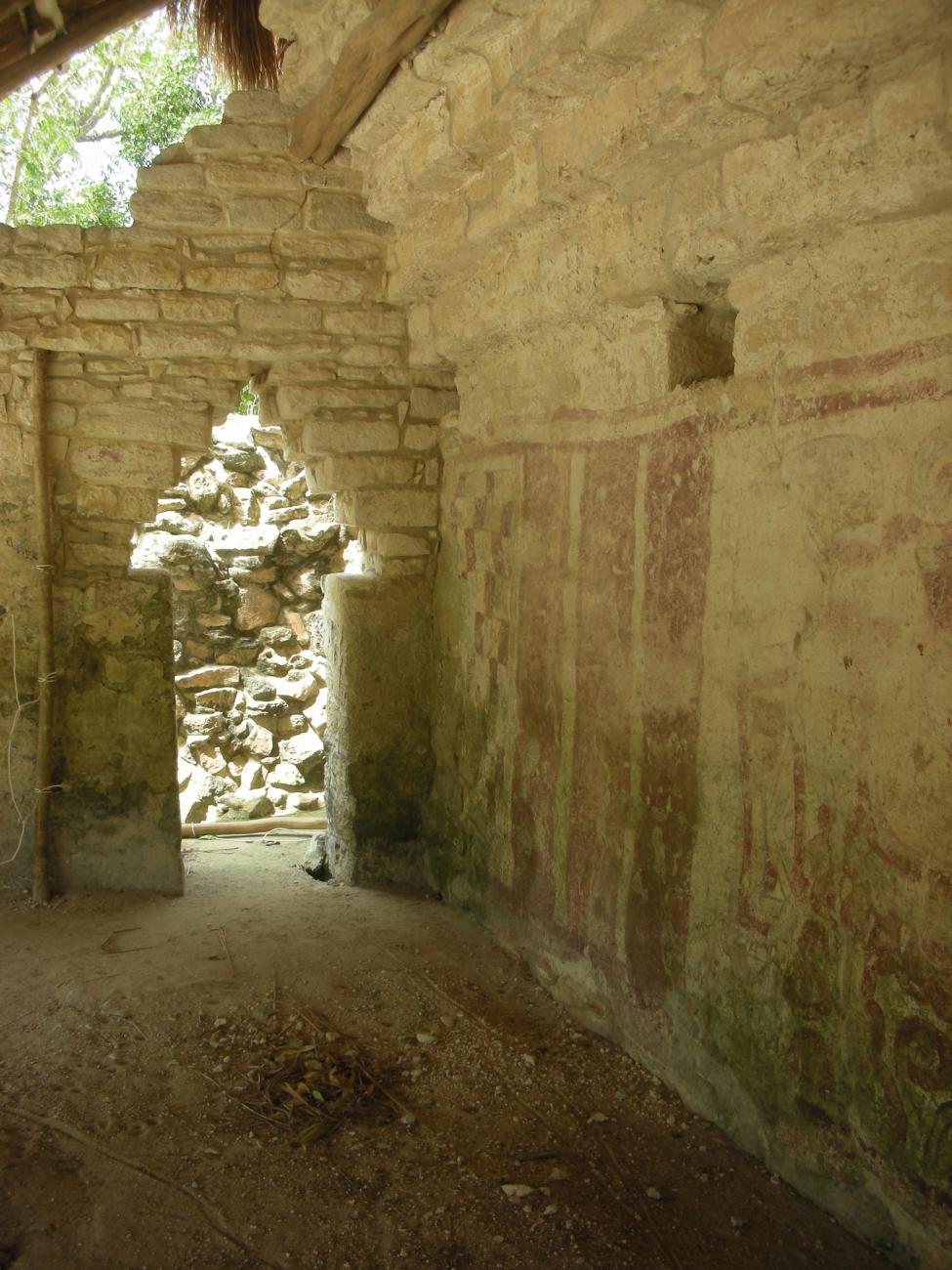
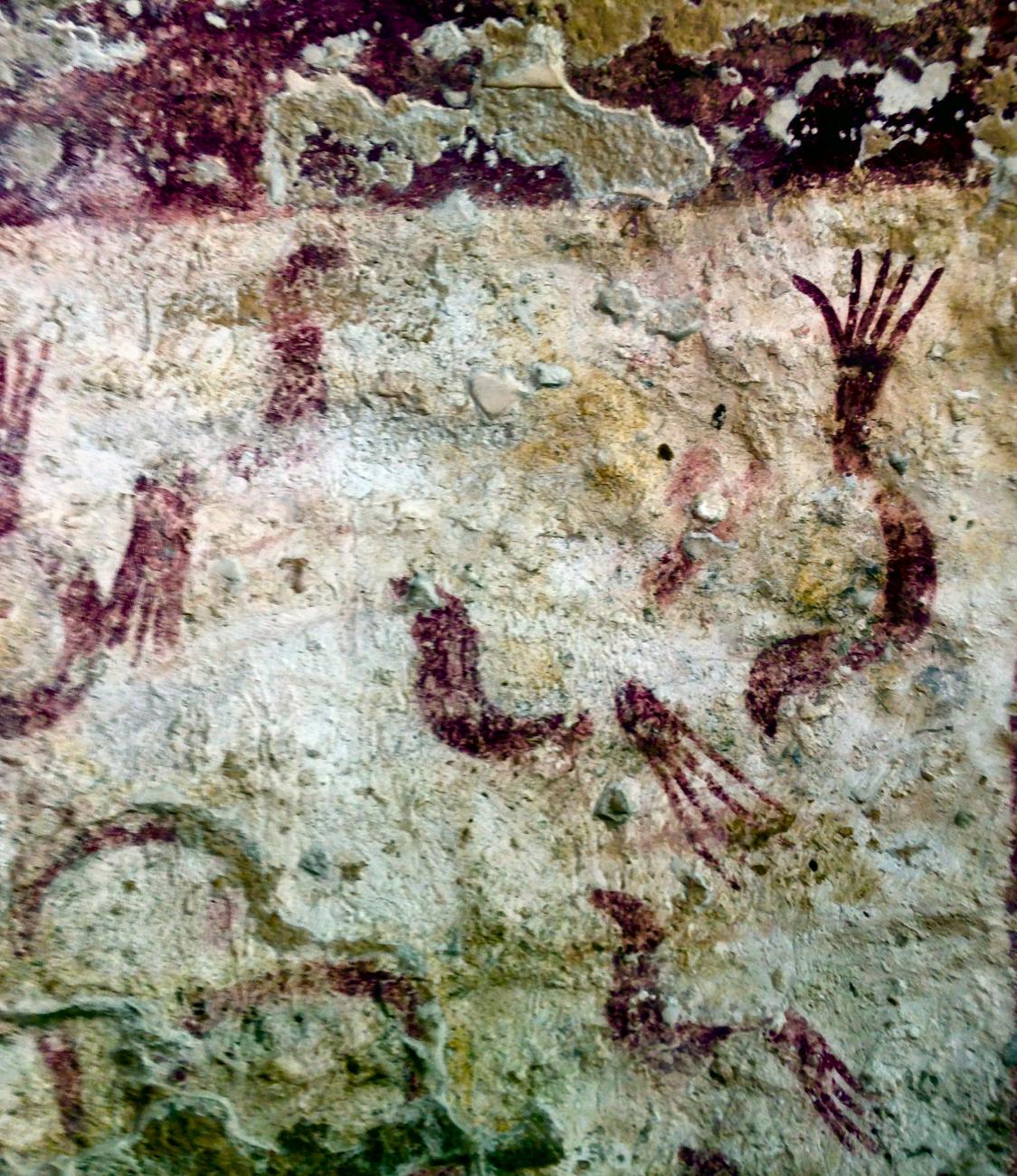
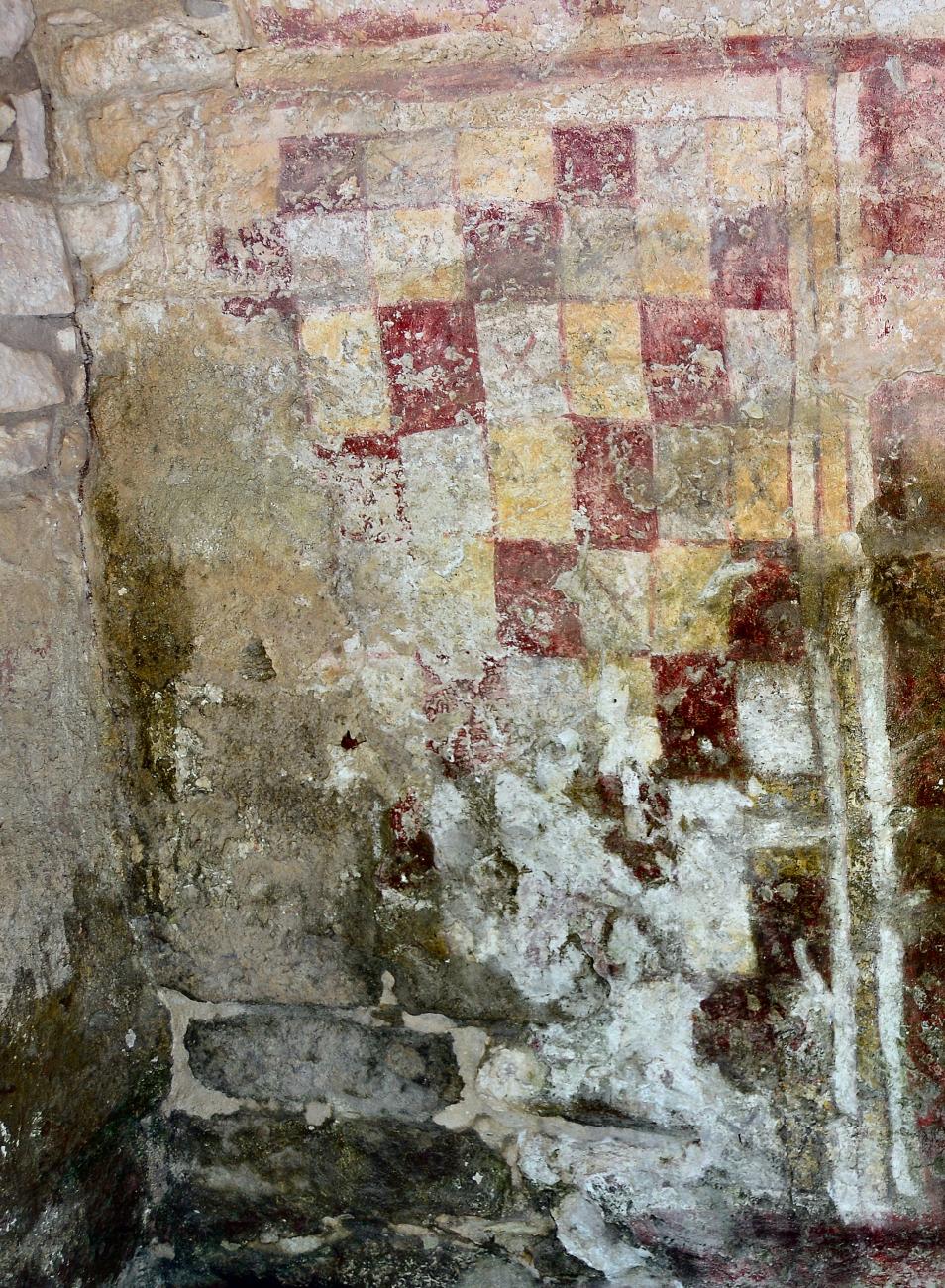
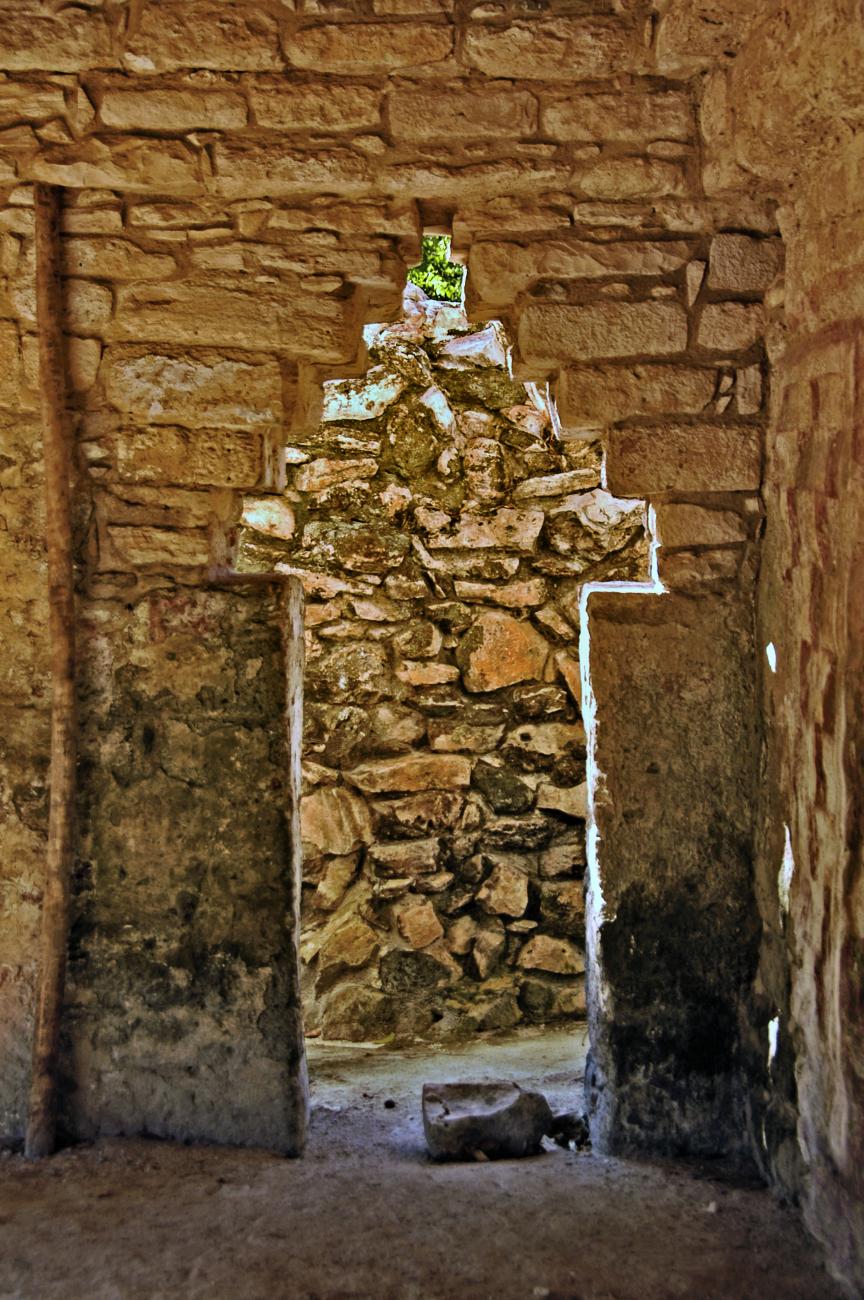
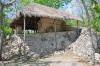
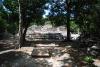
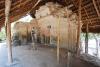
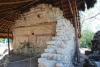

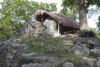
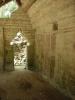

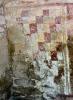

It includes the structure El Palacio, where mural paintings are preserved, among which stand out fresco representations of various birds of the region, as well as the image of a supernatural being of evident Teotihuacan style. During the construction of the highway, in the seventies of the XX century, part of this structure was destroyed.
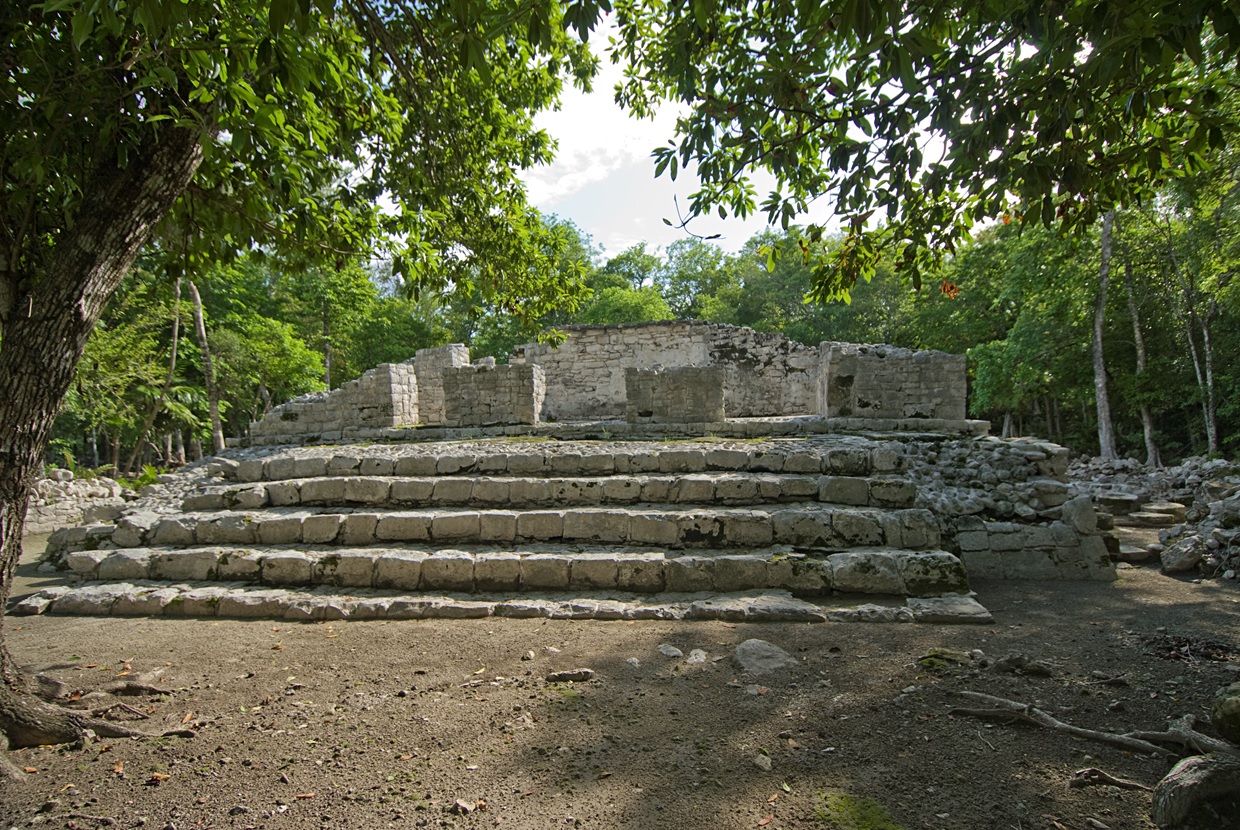
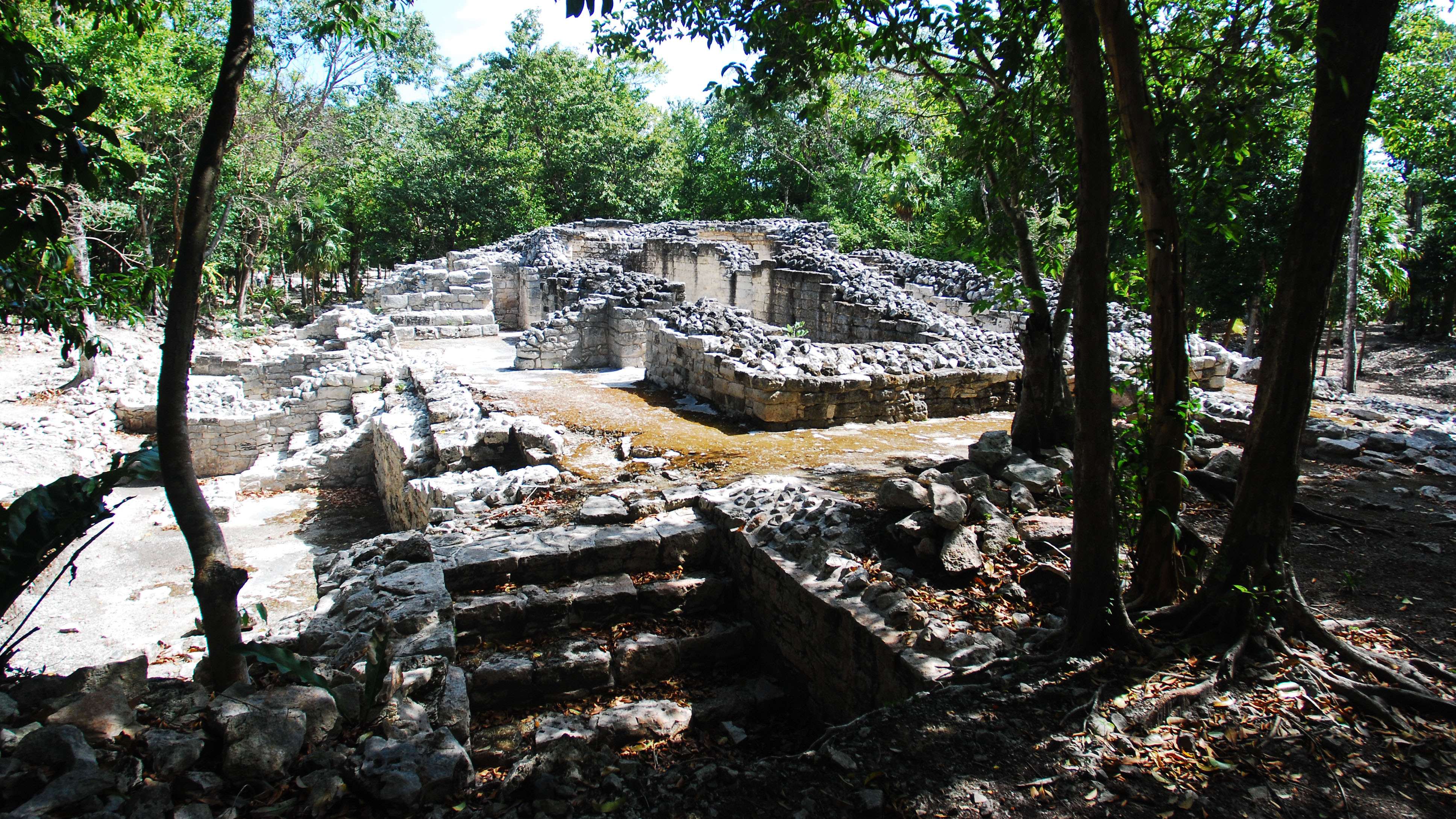
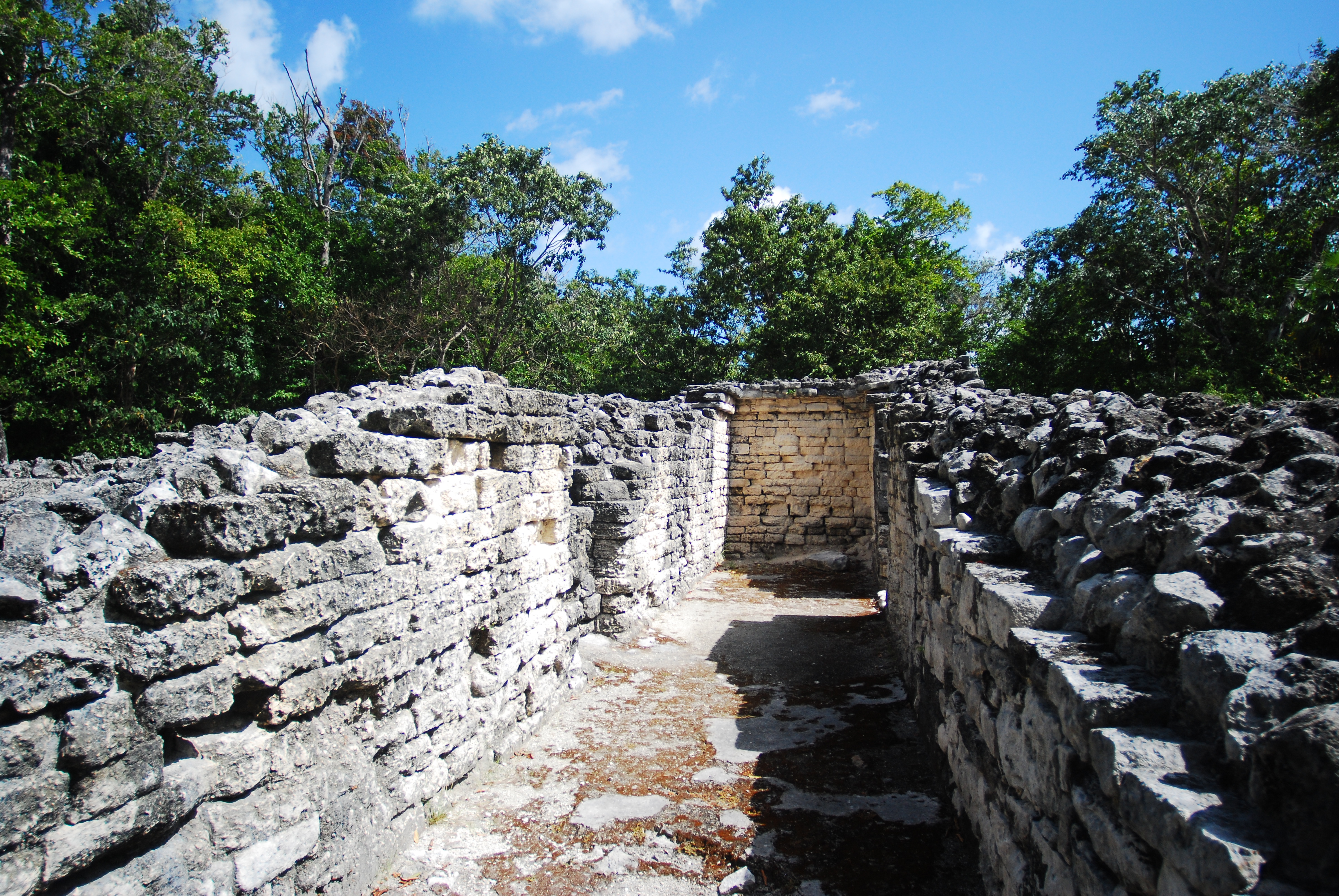
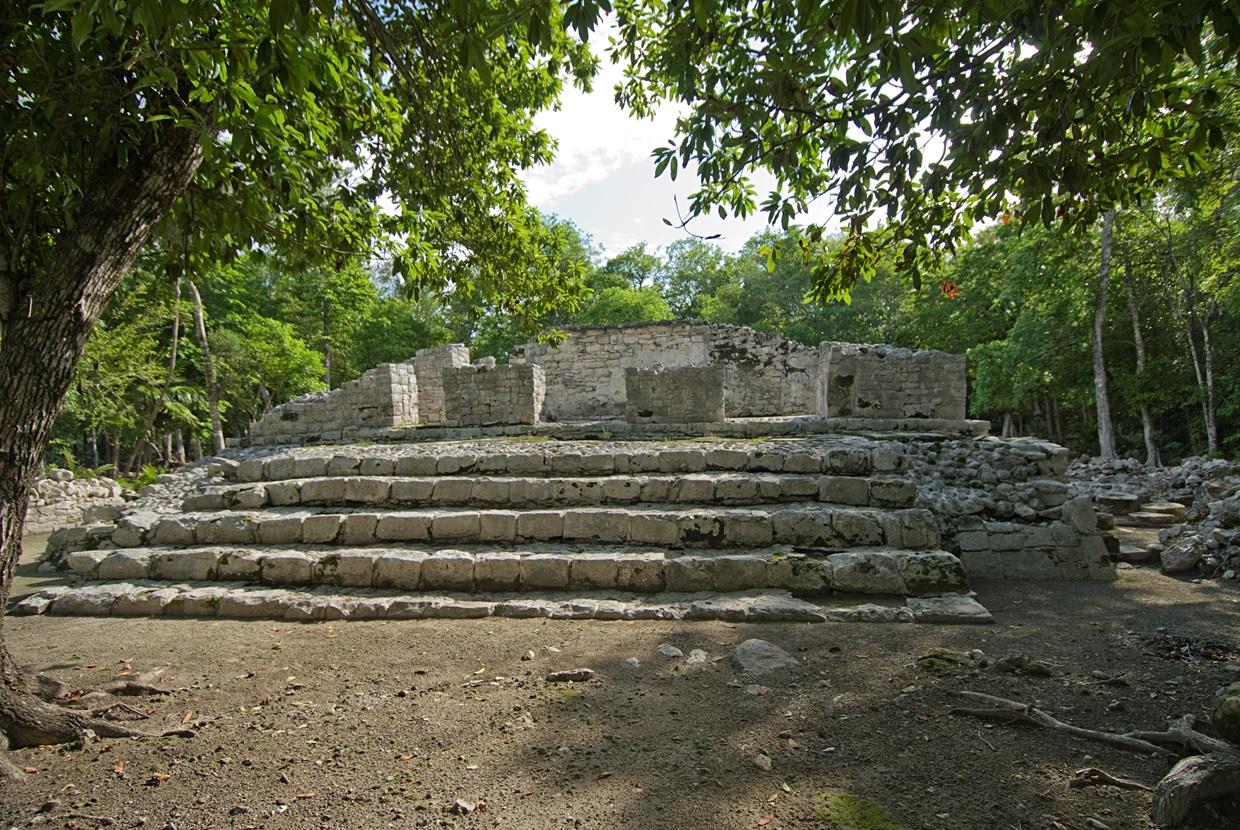
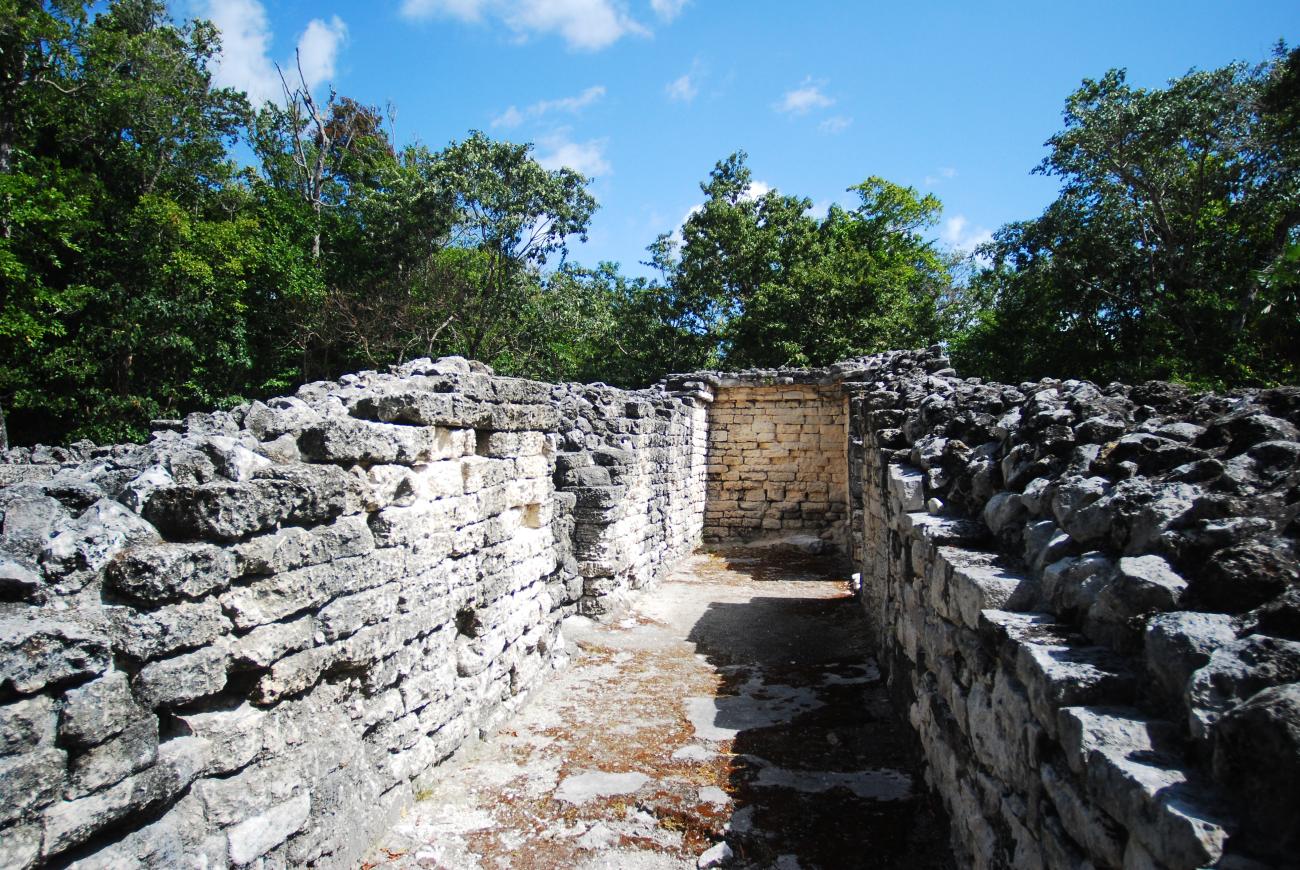
The Palace: It closes the square in its southwest end and consists of several constructive stages. The first comprises a rectangular base with rounded corners and sloping walls. In its superior part two rooms were built with entrances to the east and west, and vaulted ceilings that at the present time are not conserved.
Subsequently, a series of additions were made, such as the two rooms on the north side connected to each other. The entrance was multiple and they were reached by a wide staircase. Finally, all the rooms were walled with large stones and the building was transformed into a large basement, possibly to support a house built with perishable materials.
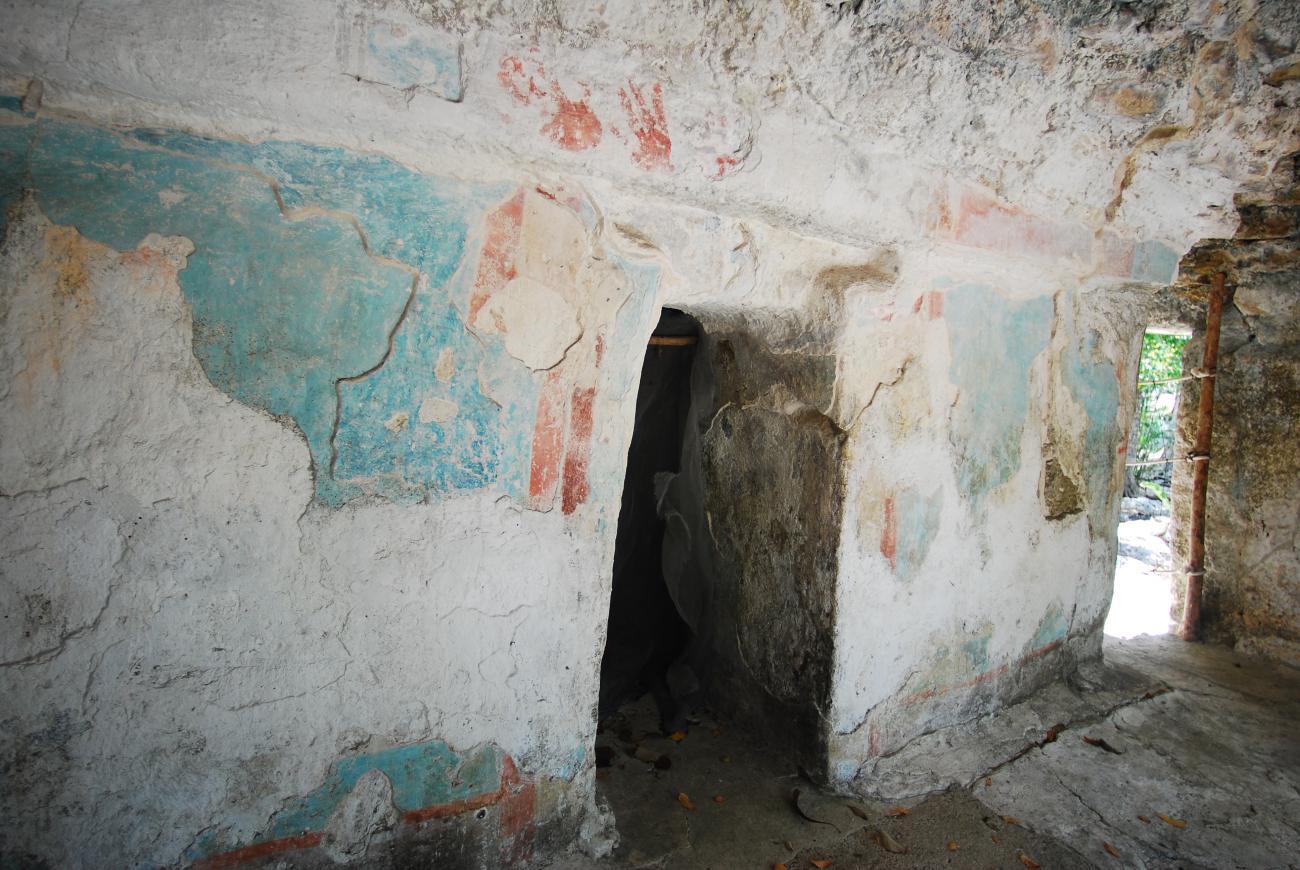
Mural of Room 1: It is composed of red squares framing two scenes separated by a column, in which it is still possible to see the glyph Ahau, which means chief or lord and is also the name of a day. In the painting two types of birds can be seen flying above a construction that makes us think of cages. One group of these birds is of the species of yellow parrots with short tails and curved beaks; the other is of red birds with yellow wings, long tails and black beaks. The arrangement of the images in this mural speaks of an allegory of nature. It is colored in yellow and sienna red, all on a white background. It was elaborated during the Early Classic (300-600).
Mural of Room 2: It is a symmetrical composition divided into four rectangles. The first one is a kind of checkerboard (grid) divided into red, gray and yellow colors. The central motif is a huge anthropomorphic figure, painted from the chest upwards with the colors sienna red, turquoise blue, white and yellow; on his head he wears a headdress composed of a horizontal band adorned with feathers and a scroll in the center; the figure is provided with bracelets and necklaces. This composition has Teotihuacan stylistic influences and corresponds to the Early Classic (300-600).
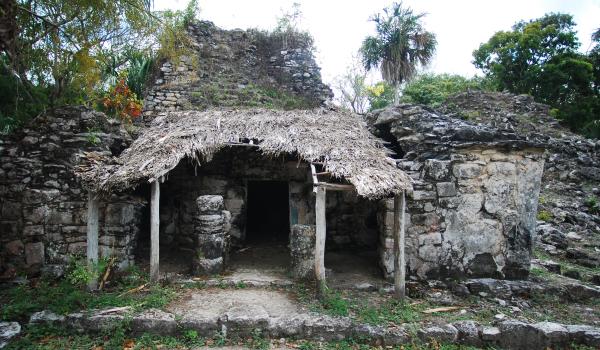
Estructura 7H-3
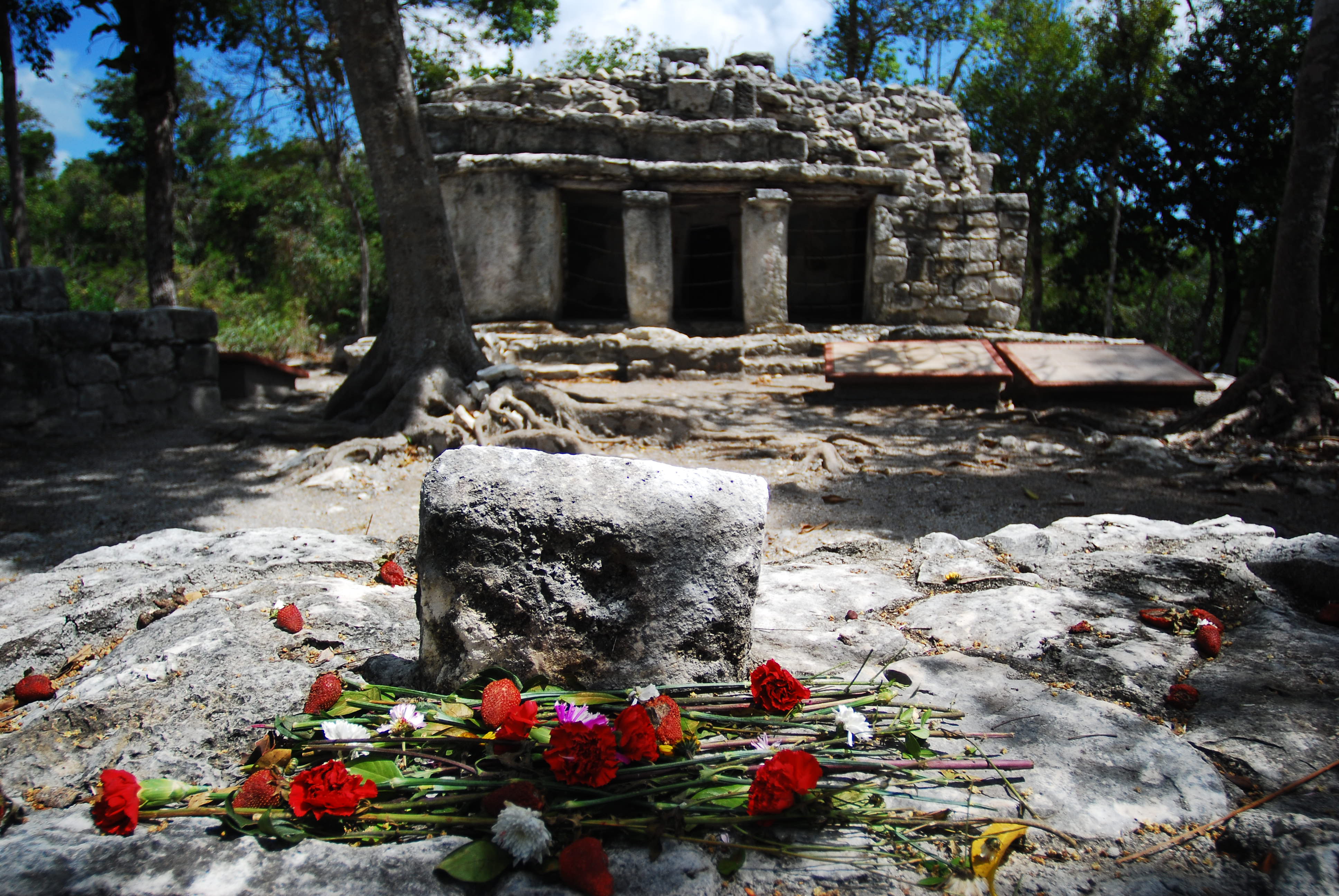
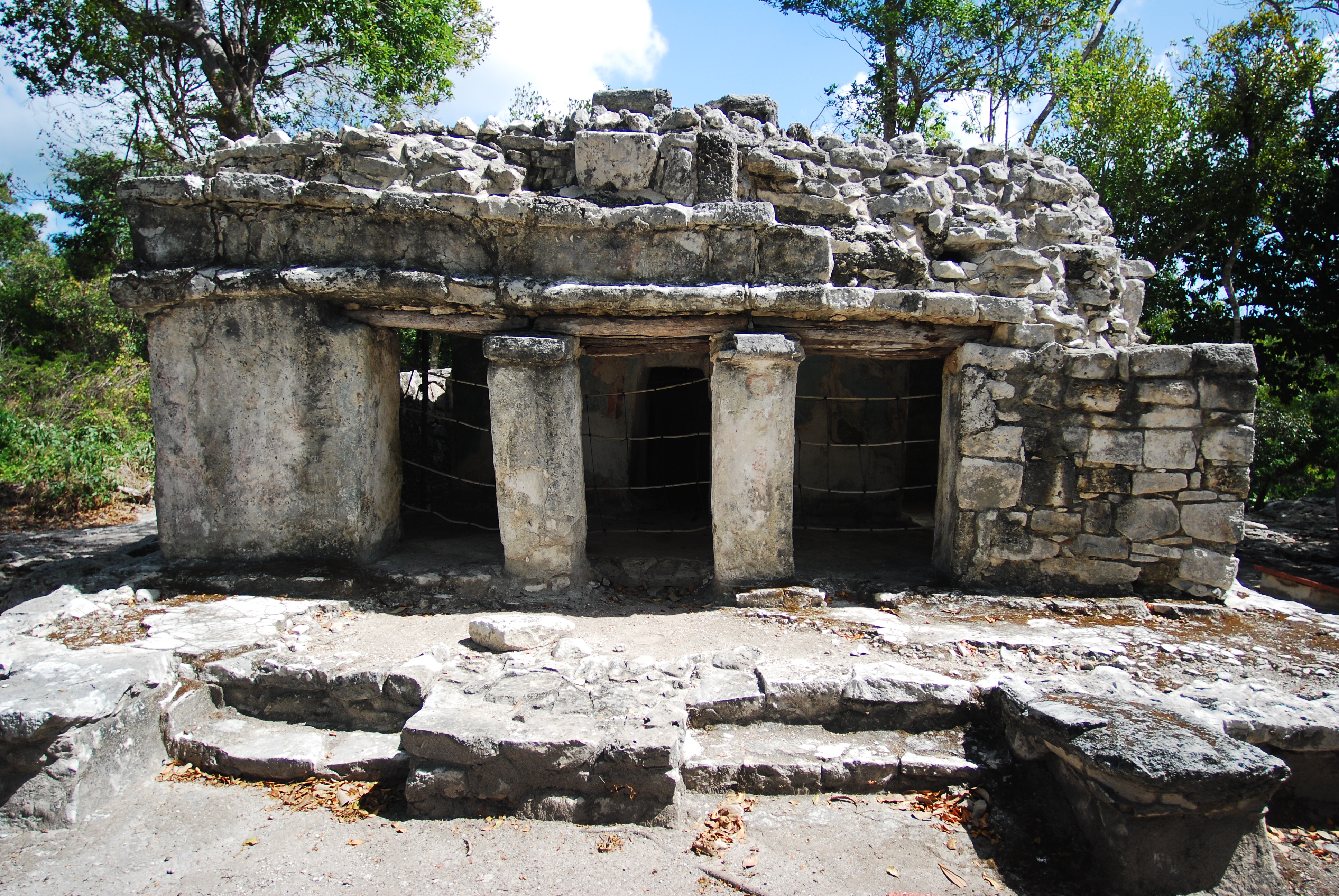
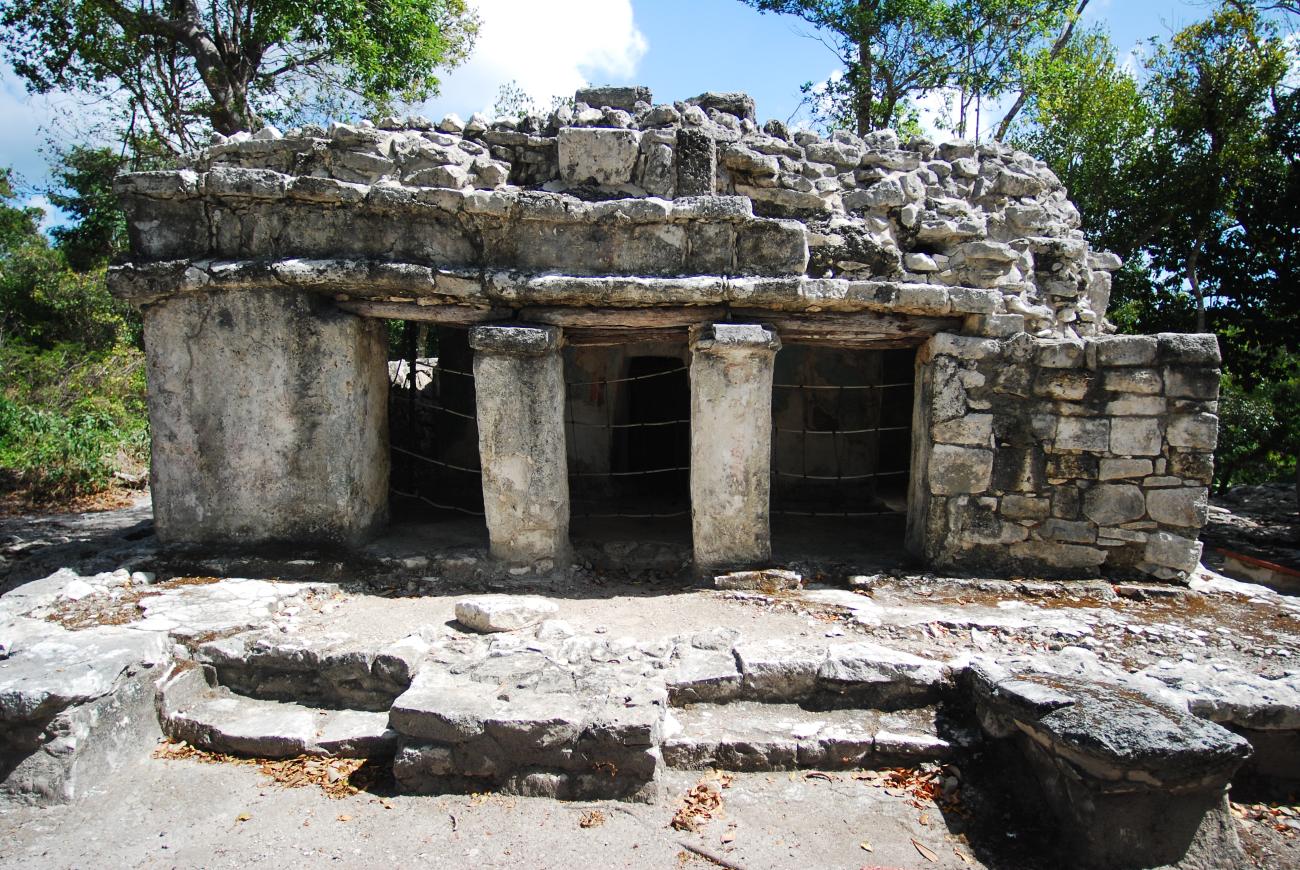
It is a double temple with a vaulted roof. The interior room has only one entrance, located in the north, while the exterior room has two lateral accesses and a central one.
Estructura 7H-3
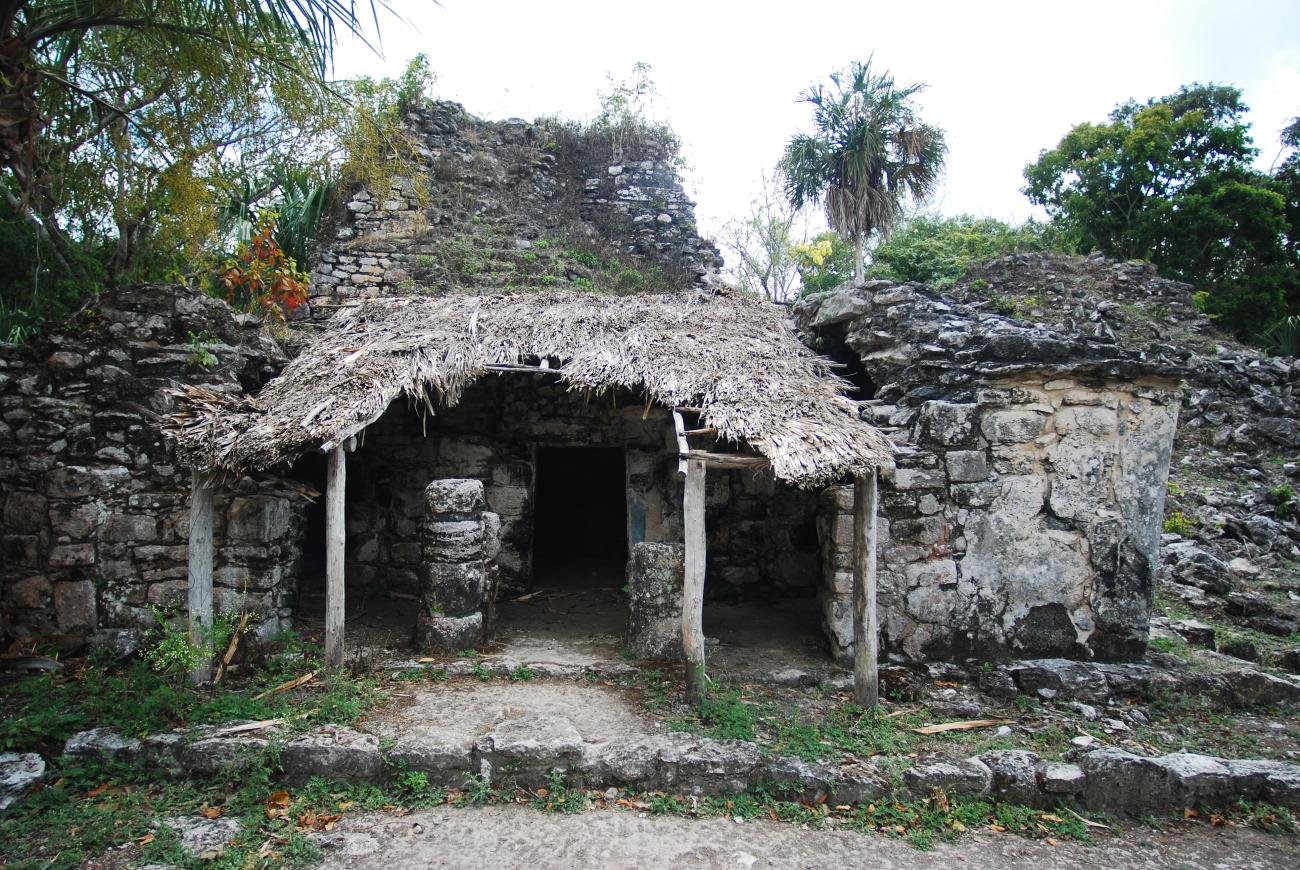
It is a double temple with a vaulted roof. The interior room has only one entrance, located in the north, while the exterior room has two lateral accesses and a central one.
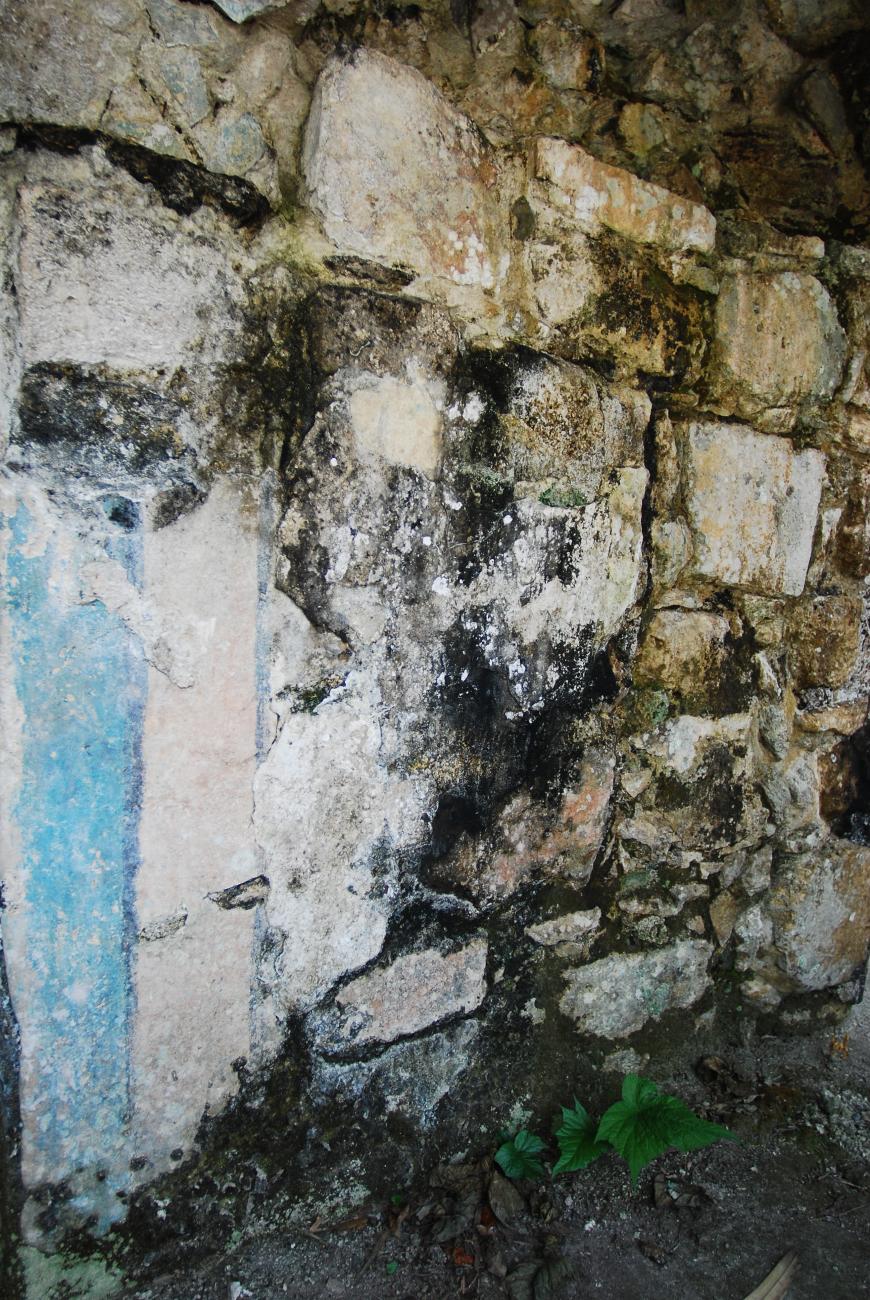
Mural: At the entrance of the inner room, on the stucco layer, there are remains of a blue stripe delimited by a black line. Among the Mayas, the color blue had a deep religious meaning.
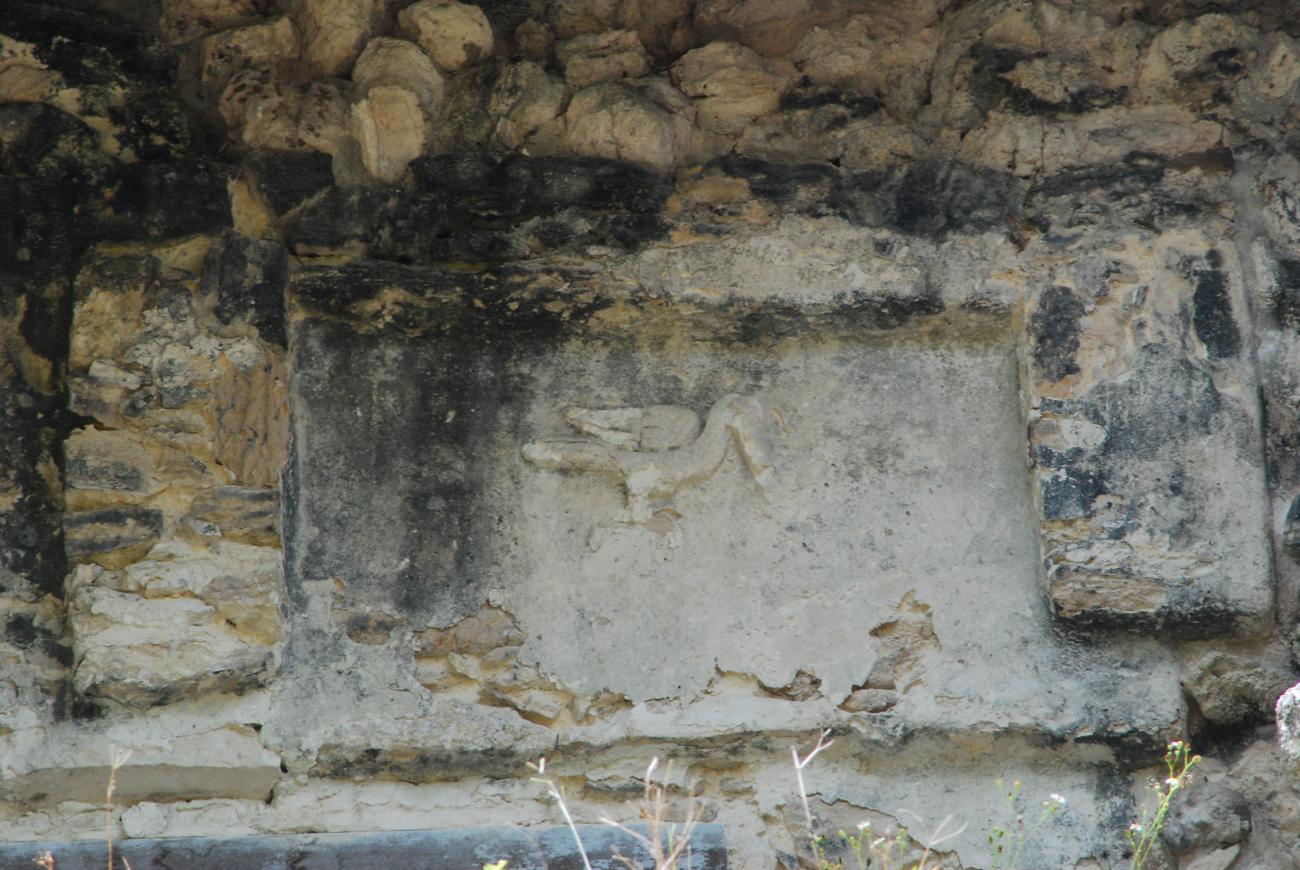
Niche above the portico

Grupo Lothrop
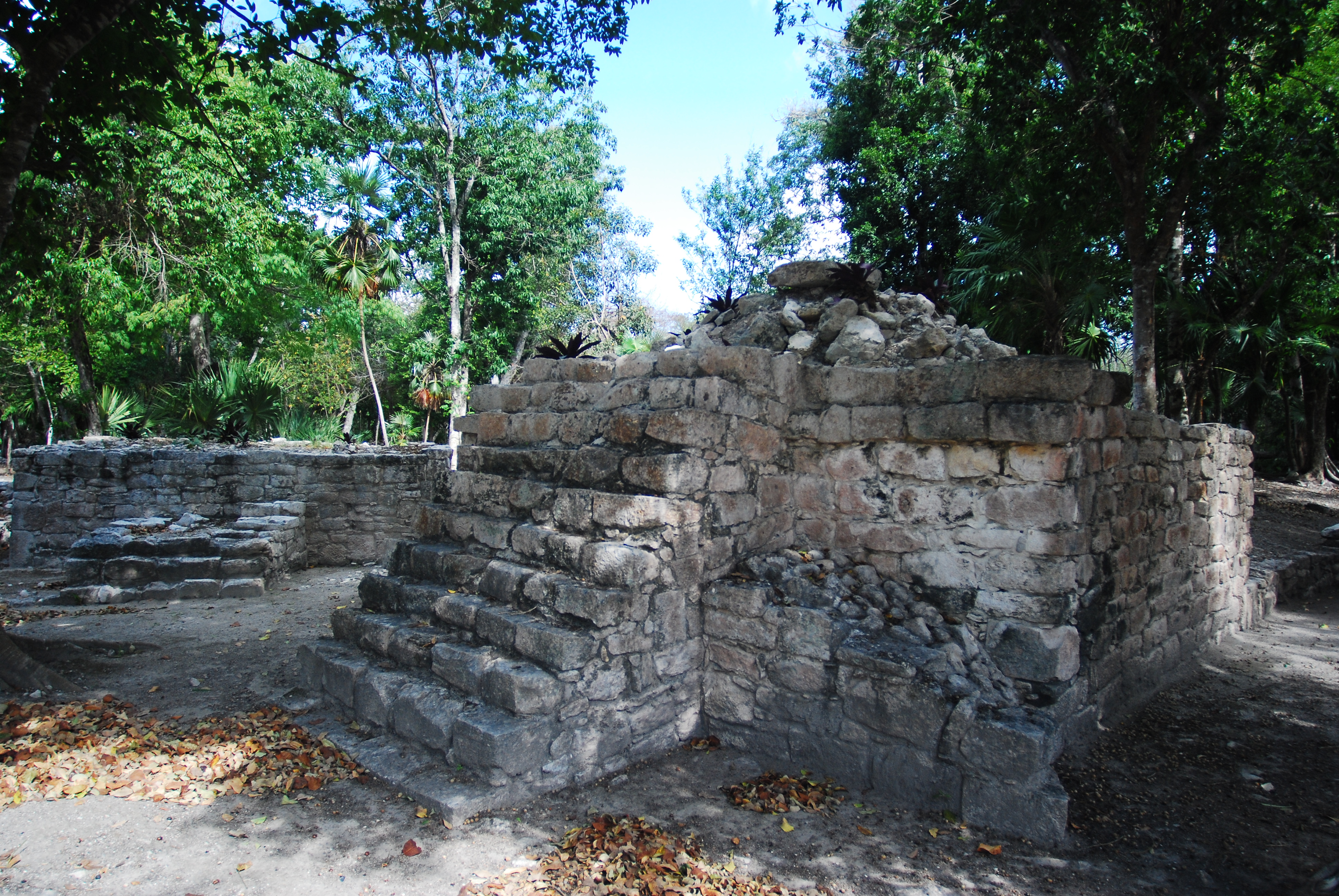
It consists of a set of low platforms. It was named after the famous researcher who first studied the post-classic architecture of the eastern coast.
Grupo Lothrop
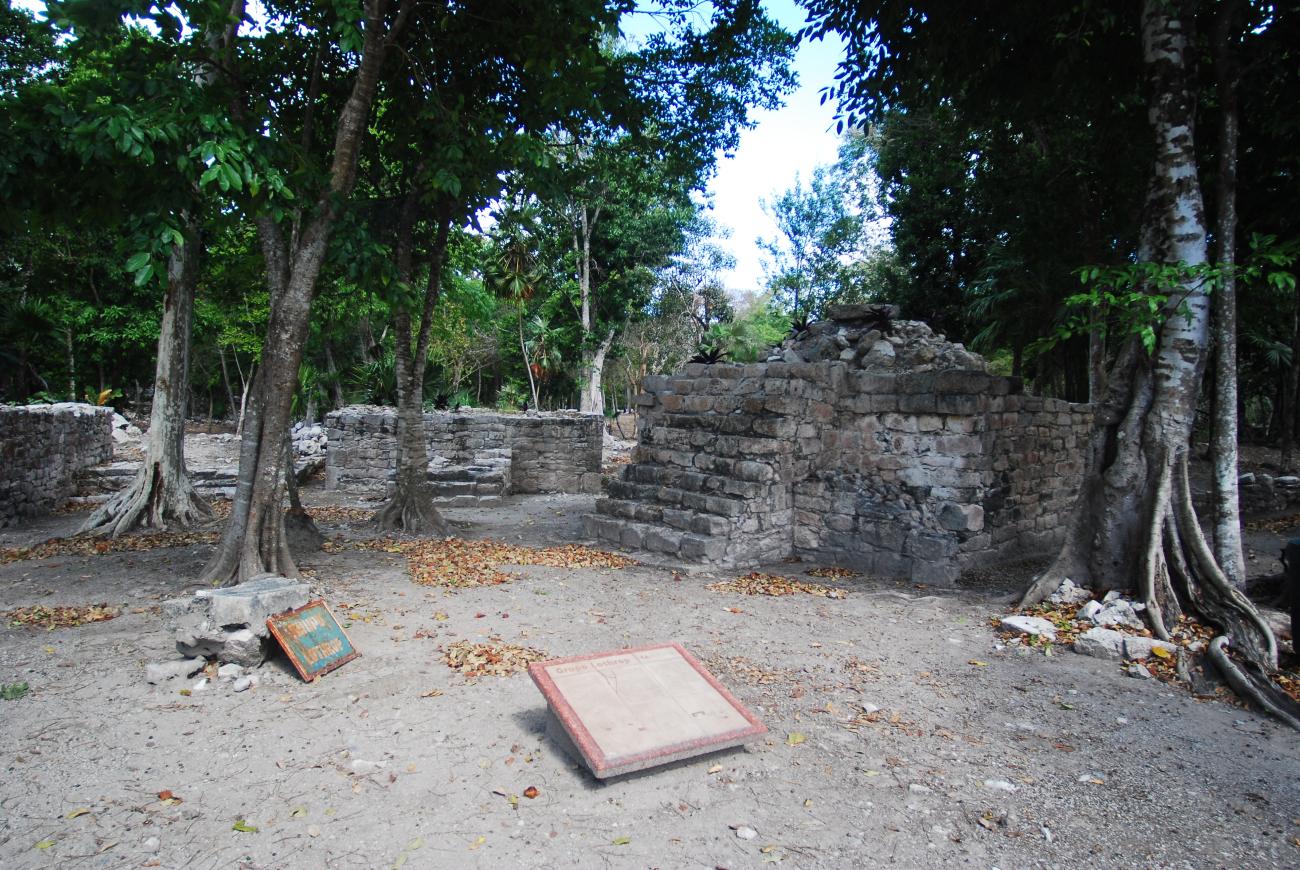
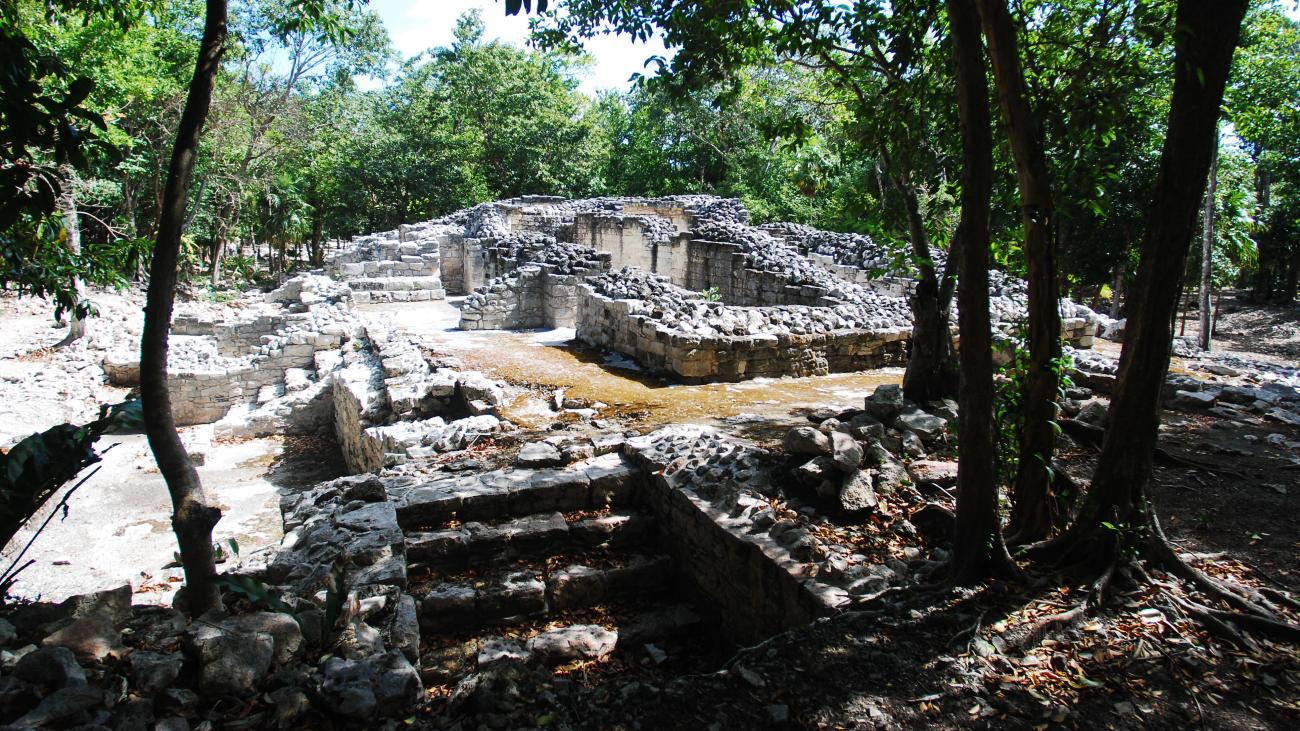
It consists of a set of low platforms. It was named after the famous researcher who first studied the post-classic architecture of the eastern coast. For its dimensions and constructive characteristics, and for being very uncommon buildings in the zone, it can be supposed that they are ceremonial platforms like those that traditionally were used for ritual dances in diverse regions of Mesoamerica. Possibly they were built during the Middle Postclassic, around 1250.
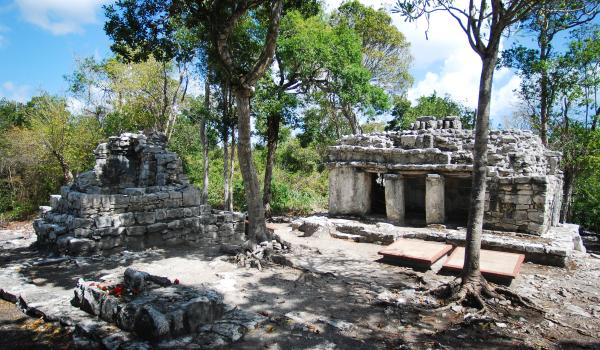
Grupo Jaguar
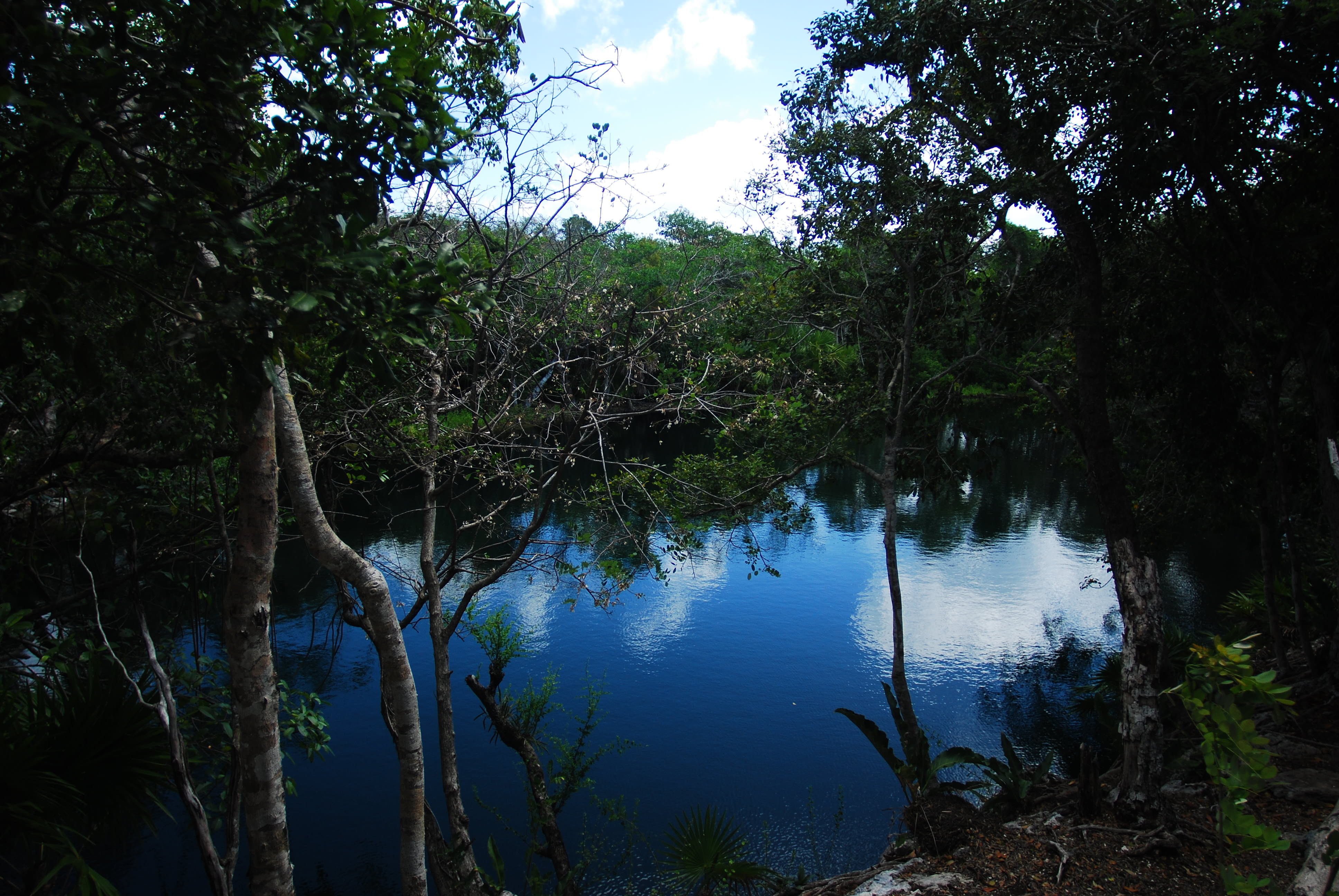
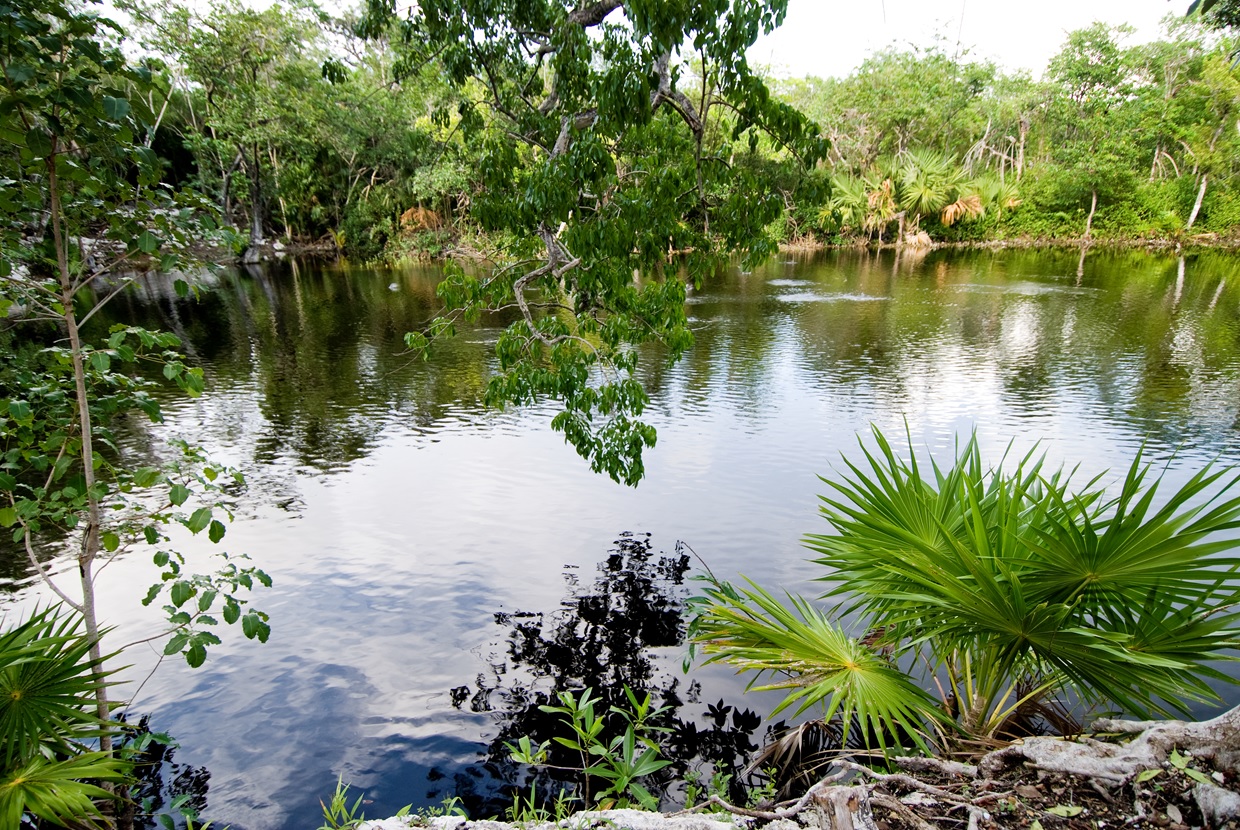
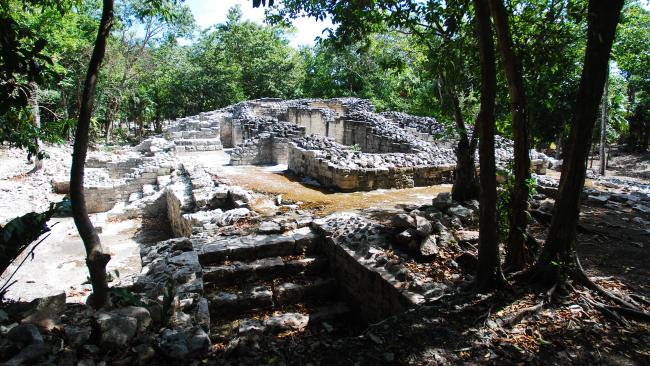
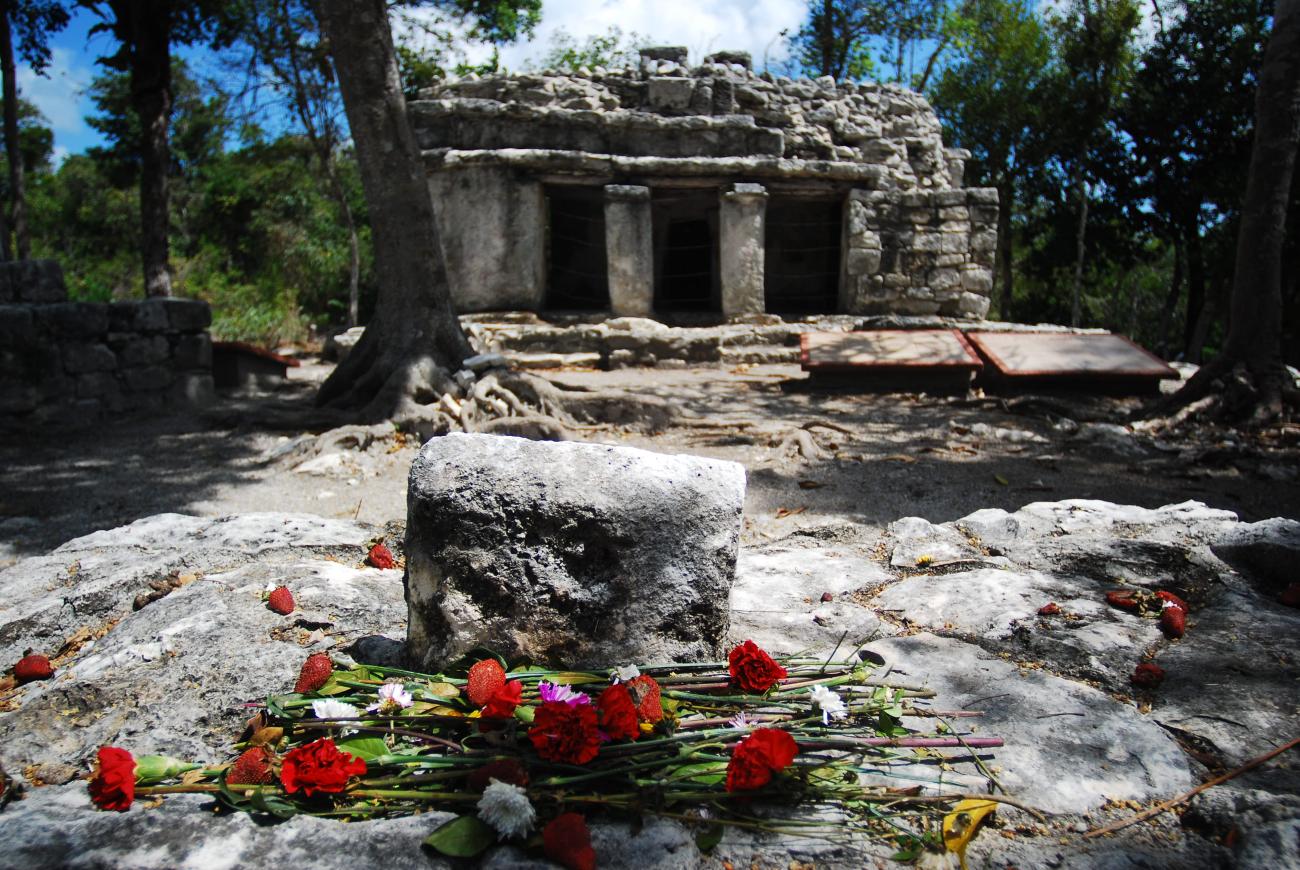
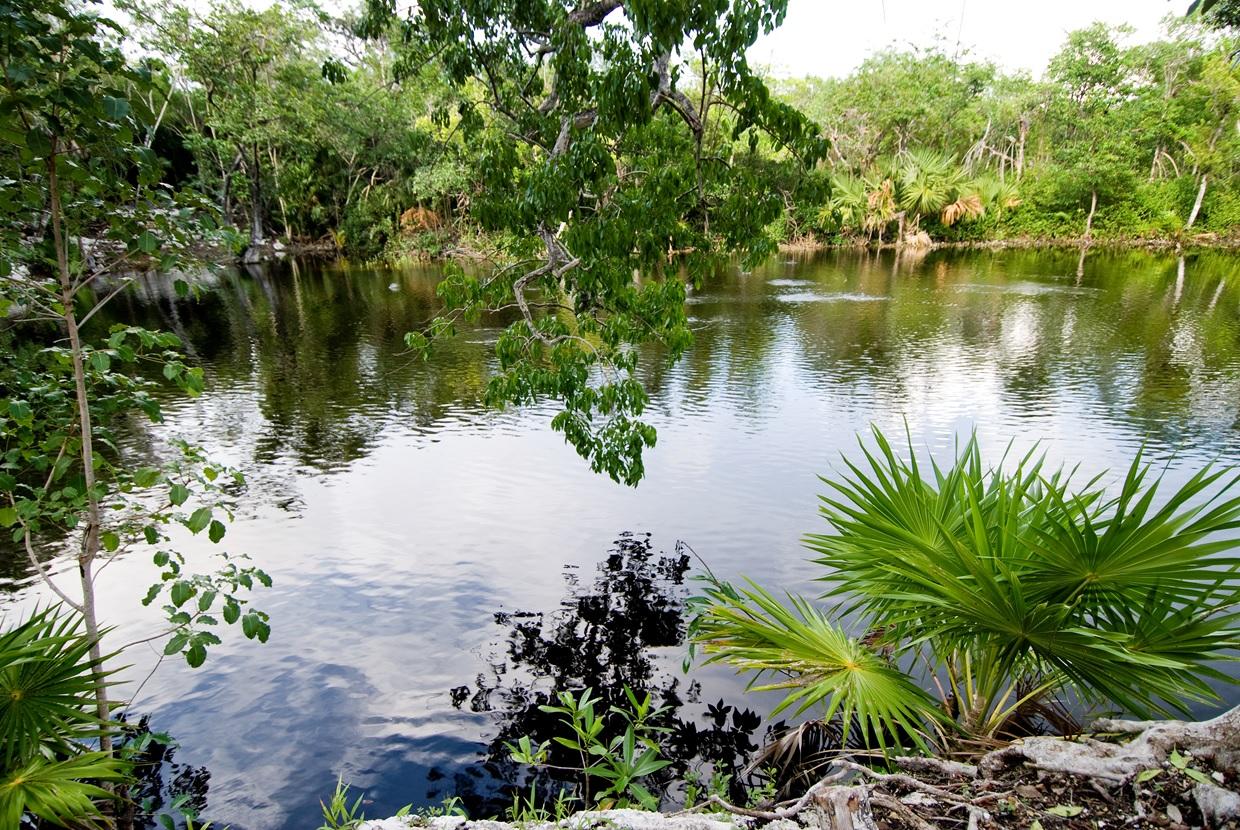
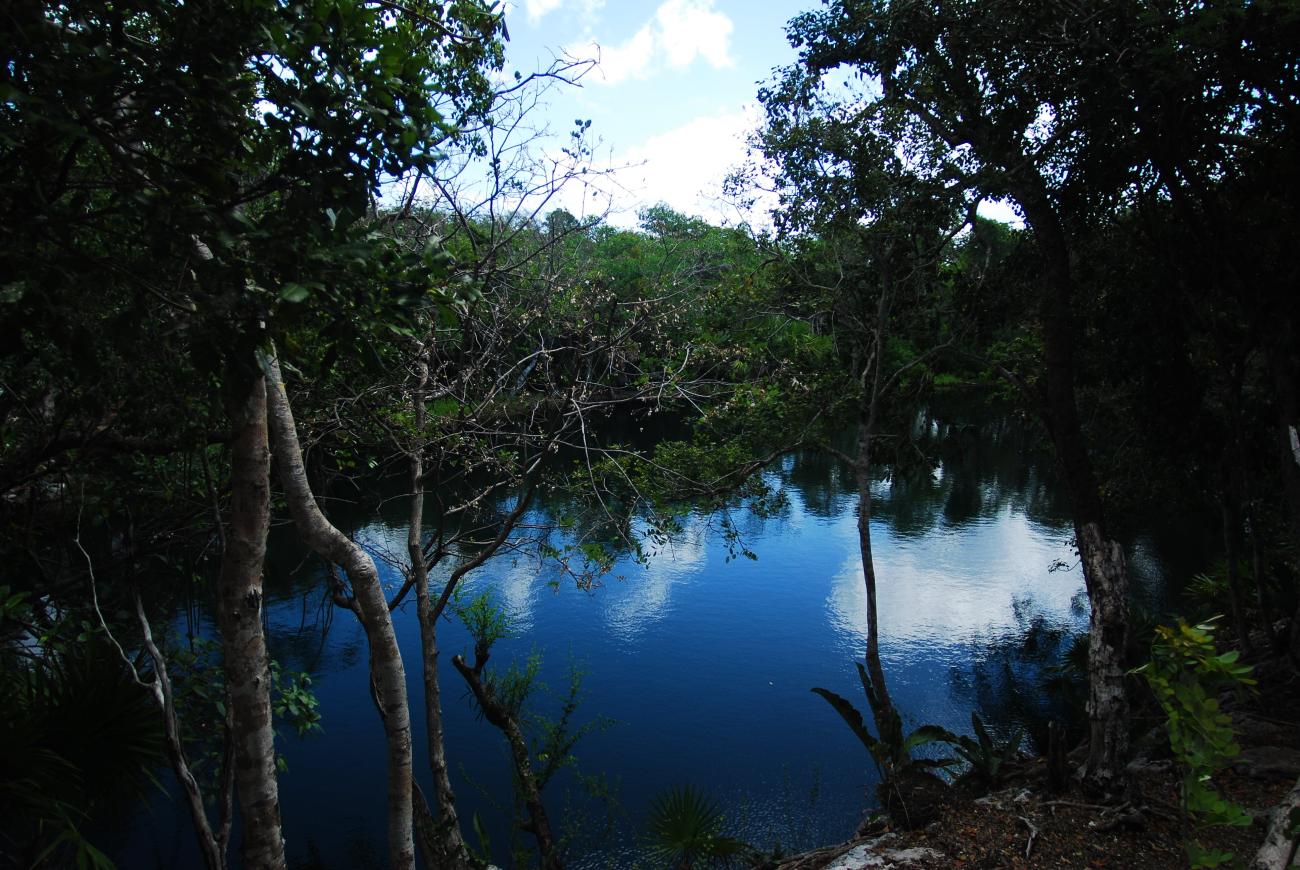
The structures of the Jaguar Group are located next to a beautiful cenote that belongs to an extensive system of subway streams underlying the Xelhá area. This waterhole surely played an important role in the development of the activities and ceremonies carried out in this complex.
Grupo Jaguar
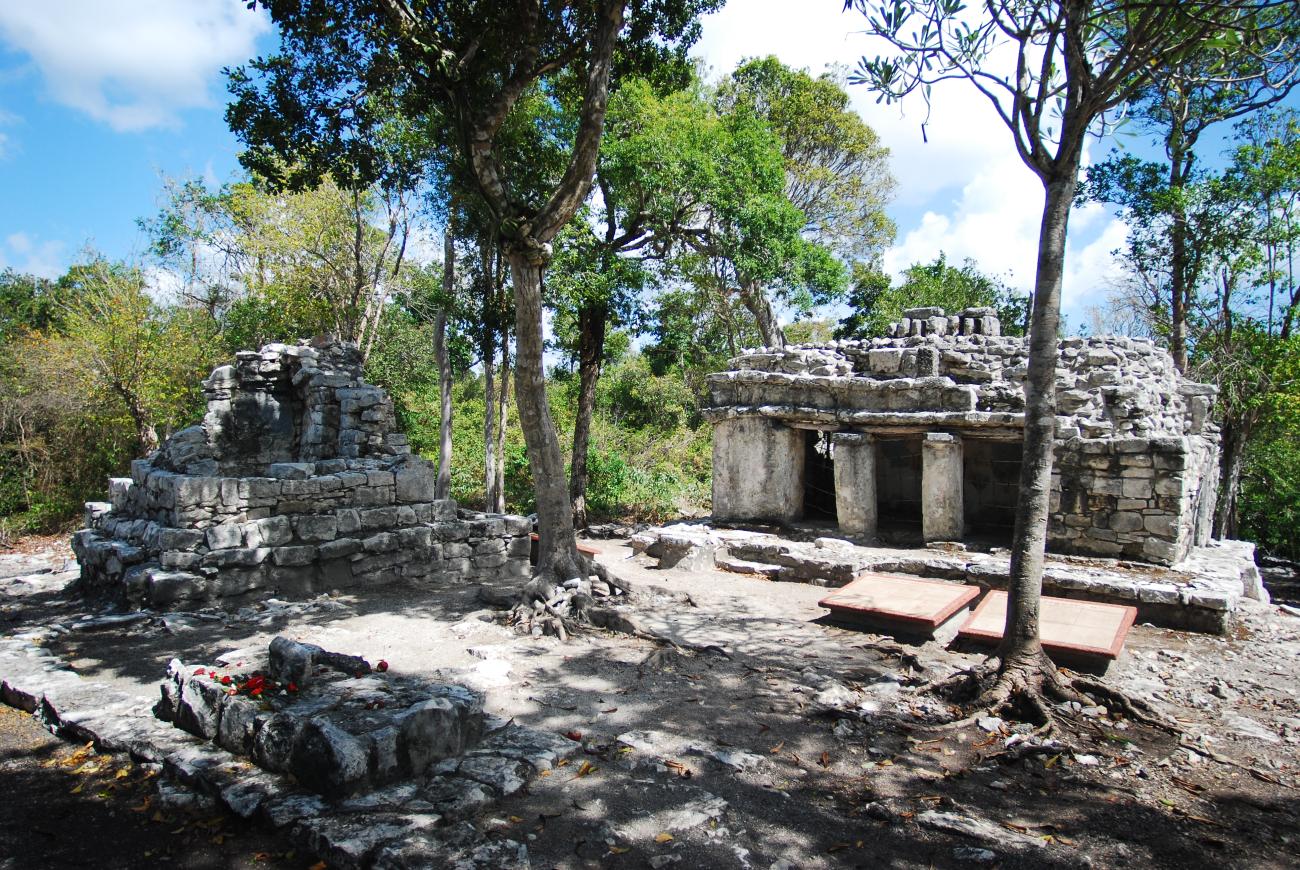
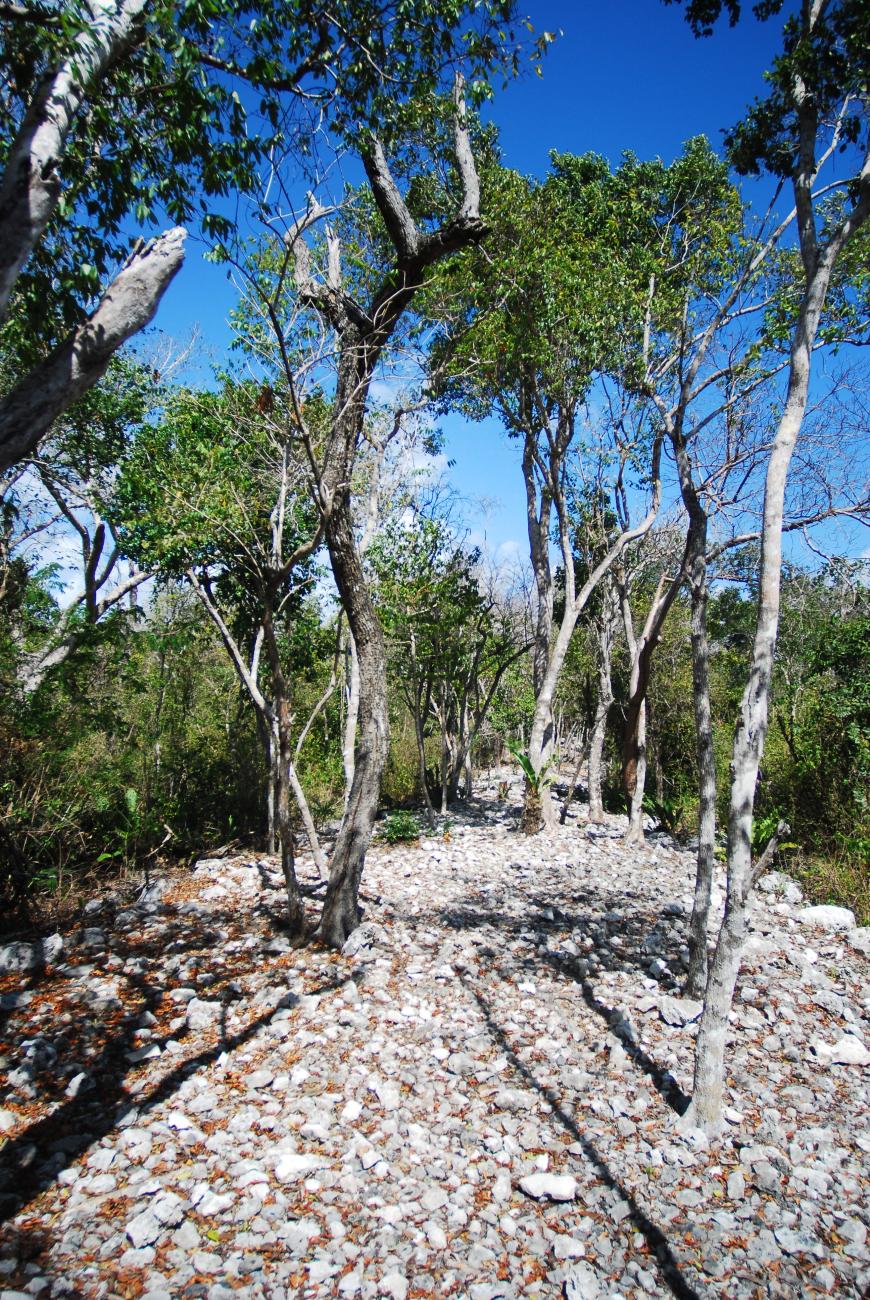
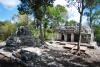
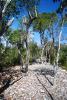
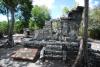
The structures of the Jaguar Group are located next to a beautiful cenote that belongs to an extensive system of subway streams underlying the Xelhá area. This waterhole surely played an important role in the development of the activities and ceremonies carried out in this complex.
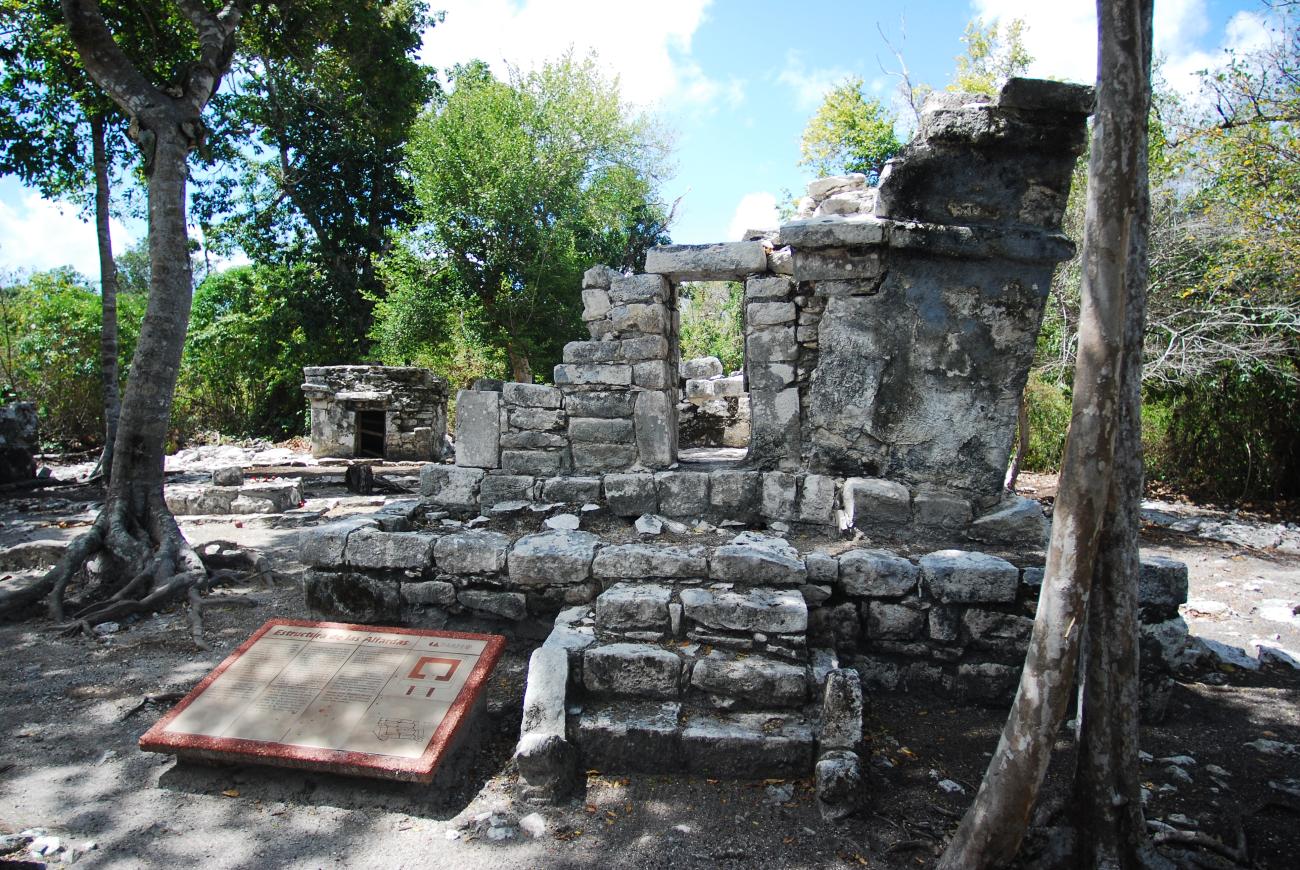
This group is complemented with the Building of the Alfardas in which remains of the typical serpentine alfardas that characterized some ceremonial buildings of the time can be appreciated.
Sacbé: This 540 m long road communicates with the Jaguar Group.
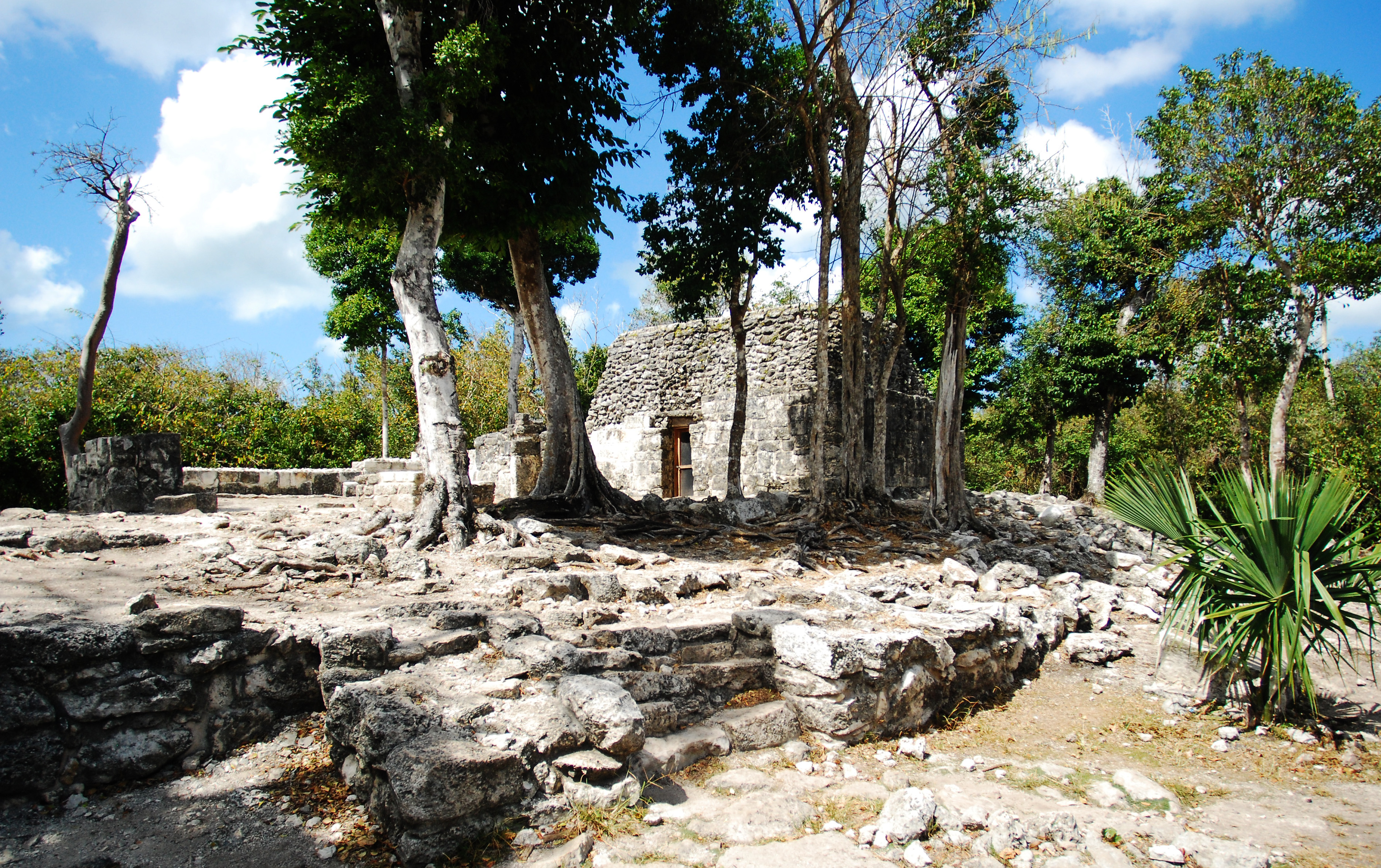
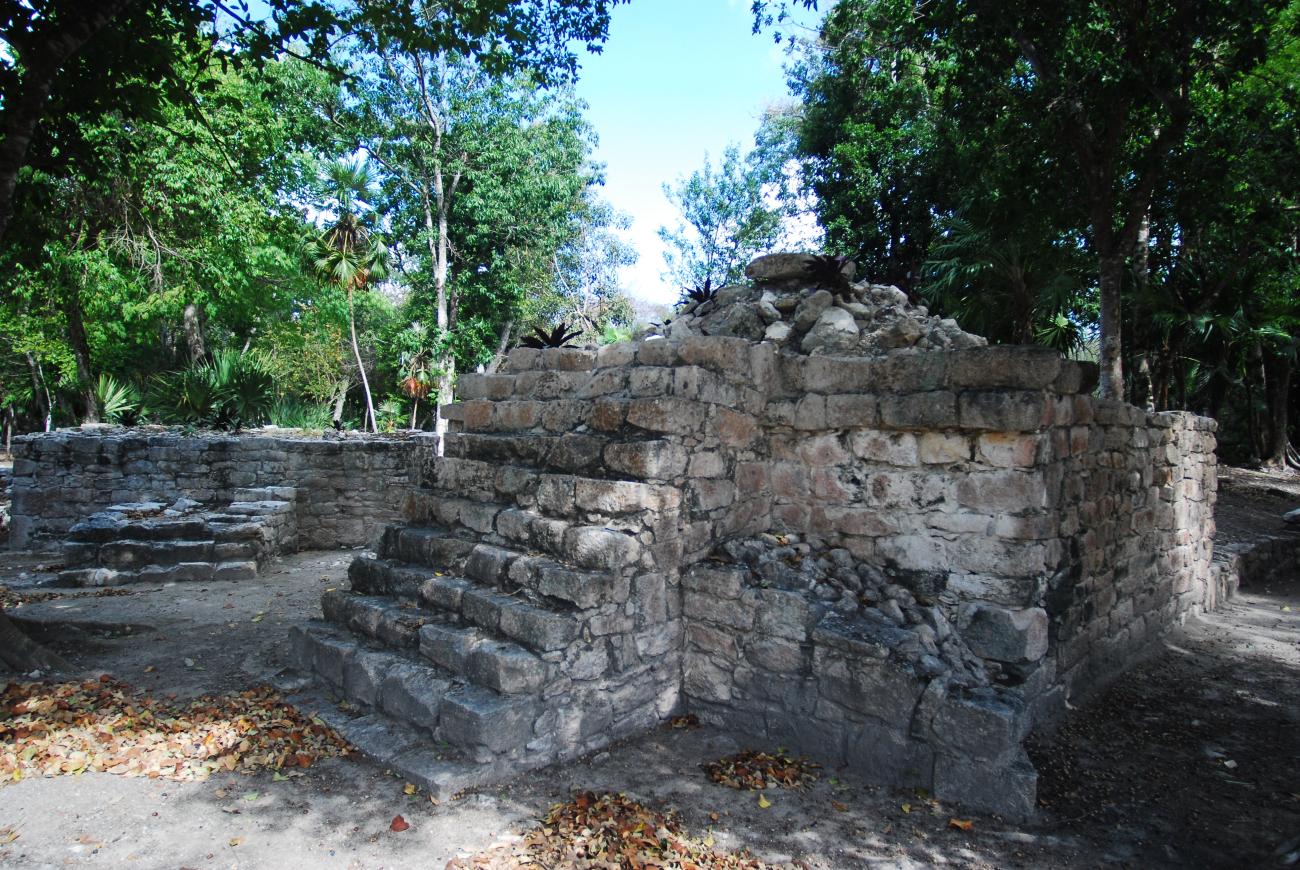
Structure of the Alfardas: It sits on a quadrangular platform. The building is 3 m long by 2.50 m wide and 2.80 m high. It is surrounded by a plinth and on the north side of the platform there is a stairway with four steps, flanked by alfardas, that allow ascending to the structure. It is important to point out that the alfardas have the representation of a serpent's head at their base. The serpentine element, whether ornamenting columns or alfardas, has been detected in structures in other archaeological zones of Quintana Roo. This architectural feature shows the influence exerted by groups from the Mexican Altiplano in the peninsula during the Late Postclassic (1200-1550).

Contact
- Dirección del Centro INAHMargarito Molina Rendónmargarito_molina@inah.gob.mx+52 (983) 837 2411Administración del Centro INAHWilliams Ferneli Tun Cabwilliams_tun@inah.gob.mx+52 (983) 837 2411 ext. 318005
